Best Irish Soda Bread Recipe: A Complete Guide to Perfect Loaves at Home
Published:
Updated:
Author:
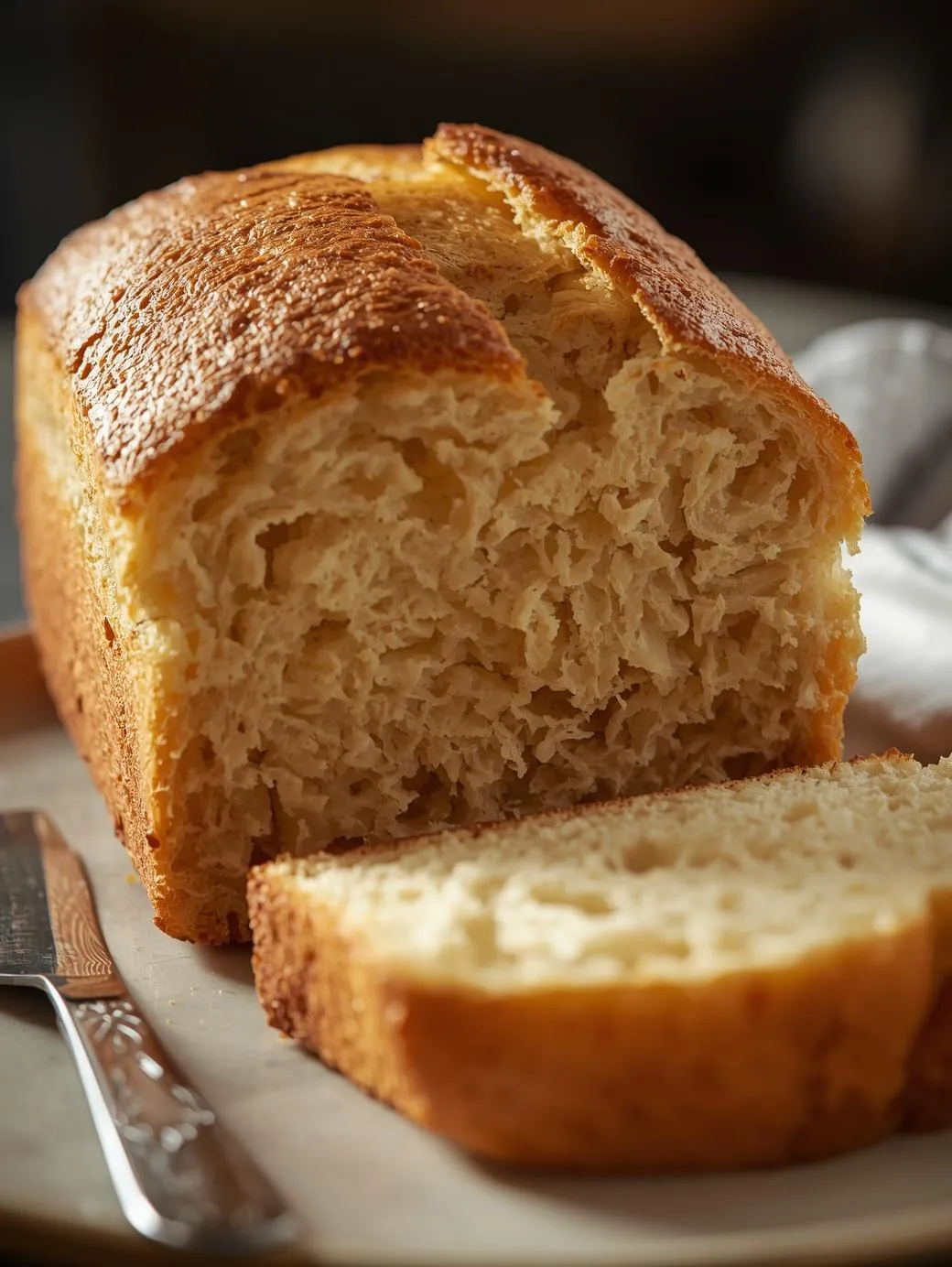
One of a true gems in the world of baking, is Irish Soda Bread. Unlike yeasted breads, which need hours to rise and be kneaded, this classic quick bread gets its characteristic rise and tender crumb from a simple chemical reaction between baking soda and buttermilk. It originated in Ireland in the mid-19th century and soon became a staple, because it called for few ingredients — just flour, salt, baking soda and sour buttermilk — so that almost everyone could afford to make it.
Today, Irish soda bread is popular all around the world, not only for its rustic appeal and slightly dense, moist crumb but also for its astonishing versatility. Whether you like it as a savory companion to a warming bowl of soup or as a sweet, scone-like snack with your afternoon tea, there’s a variation for you.
In this comprehensive guide, we’ll take you step-by-step through the ideal conventional recipe, including pro suggestions to make sure your loaf is coming out excellent every time and featuring ten scrumptious variations that will definitely boost your soda bread from normal to spectacular. Prepare your home to be filled with the mouthwatering smell of fresh baked bread
Best Irish Soda Bread Recipe:
Irish Soda Bread is the bread to demystify baking. If you’ve been intimidated by yeast, proofing and kneading, this is your entryway to being a confident baker. With only a few ingredients and approximately 10 plus or minus minutes of hands-on time, you can have a loaf that’s golden brown and crusty on your table. This guide will feature everything from the science behind it to the most inventive variations.
The Secret to Perfect Soda Bread: The Science
Before we get into the recipe, it is useful to got through the why for this method. Irish Soda Bread is the classic no-yeast bread. Instead, it relies on baking soda (bicarbonate of soda) for leavening. Baking soda is an alkali. When this comes in contact with the acidic buttermilk it produces bubbles of carbon dioxide gas. These bubbles make the dough expand and rise.
Which is why buttermilk is non-negotiable for an authentic loaf. The acidity is vital for the reaction and serves to counteract the slightly metallic flavor of the baking soda. It’s also why you have to work fast — the reaction begins as soon as the liquid touches the dry ingredients. If you overmix, or wait too long to bake, that gas escapes and what will be left is a dense, heavy brick.
Ingredients for the Best Traditional Irish Soda Bread
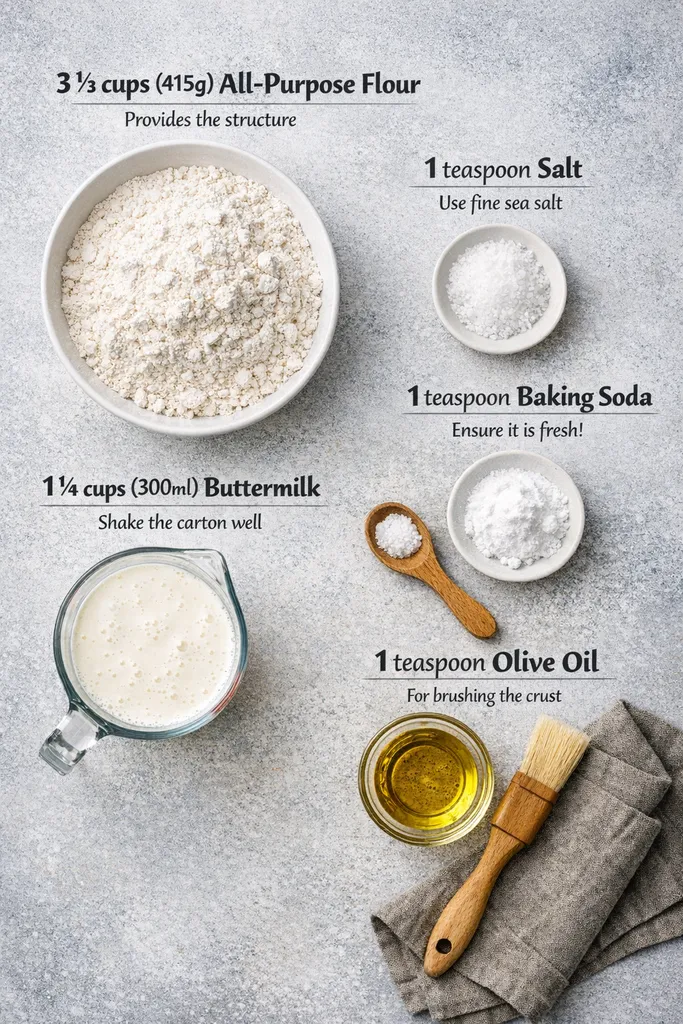
This recipe yields one 8-inch round loaf and serves approximately 8 people.
- 3 ⅓ cups (415g) All-Purpose Flour: Provides the structure.
- 1 teaspoon Salt: Use fine sea salt or table salt to ensure it distributes evenly.
- 1 teaspoon Baking Soda: Ensure it is fresh!
- 1 ¼ cups (300ml) Buttermilk: Shake the carton well before measuring.
- 1 teaspoon Olive Oil (for brushing): This gives the crust a beautiful golden sheen .
Step-by-Step Instructions
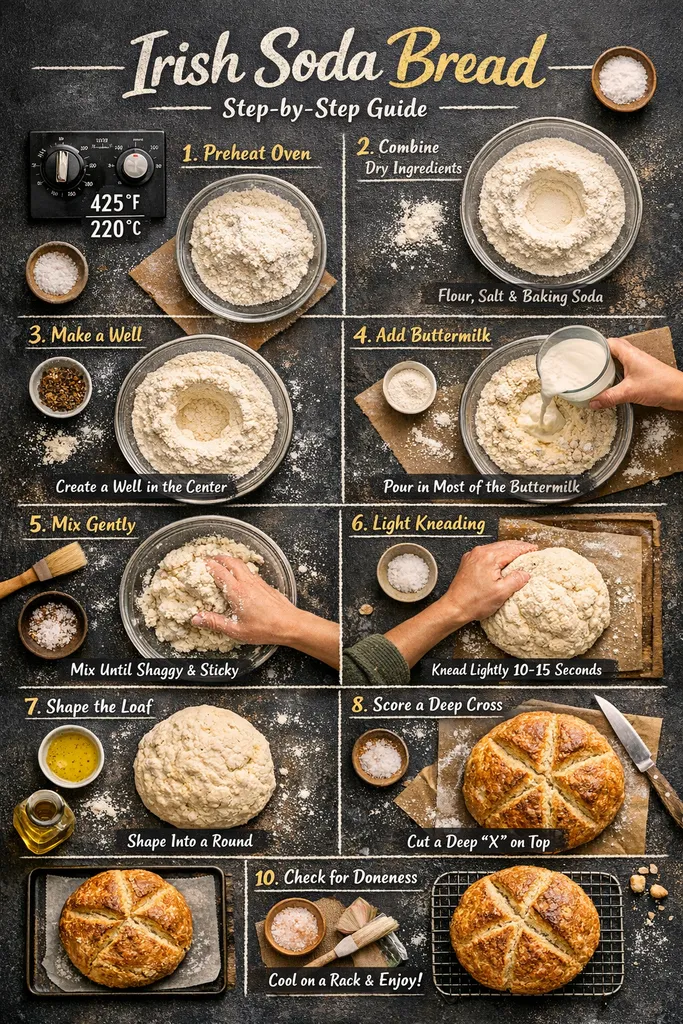
- Preheat and Prepare:
- Preheat your oven to 425°F (220°C) . Place a rack in the middle position. Line a baking sheet with parchment paper or lightly dust it with flour.
- Combine Dry Ingredients:
- Make a Well:
- Create a deep well in the center of the flour mixture.
- Add Buttermilk:
- Pour most of the buttermilk into the well (reserve about 2 tablespoons).
- Mix Gently:
- Using one hand with your fingers outstretched like a claw, or a wooden spoon, mix in a circular motion. Incorporate the flour from the sides of the bowl into the liquid. The goal is to combine everything quickly. The dough will be shaggy, soft, and slightly sticky. If it seems too dry, add the remaining buttermilk. If it is too wet, you can sprinkle on a tiny bit more flour but be careful not to dry it out.
- Light Kneading (The “Light Touch”):
- Turn the dough out onto a well-floured surface. Dust your hands with flour. Knead the dough lightly for just 10-15 seconds. The Irish have a saying about having a “light hand”—this is where it counts. Over-kneading will develop the gluten too much,
- making the bread tough rather than tender.
- Shape the Loaf:
- Pat the dough into a round that is about 1.5 to 2 inches thick and 7-8 inches in diameter. It will look flat, but it will rise significantly in the oven.
- Score a Deep Cross:
- Place the round on your prepared baking sheet. Using a sharp knife, cut a deep “X” across the top, about 1 inch deep. The cuts should extend almost to the edges of the loaf. This is the iconic look of soda bread, but it also serves a purpose: it helps conduct heat to the thickest part of the bread, allowing it to bake all the way through. Irish folklore also says it is to “let the devil out” .
- Bake:
- Brush the top lightly with olive oil. Bake for 15 minutes at 425°F (220°C) . Then, without opening the door, reduce the oven temperature to 400°F (200°C) and continue baking for another 25-35 minutes.
- Check for Doneness:
- The bread is done when it is deep golden brown. For the most reliable test, turn the loaf over and tap the bottom. If it sounds hollow, like knocking on a door, it is ready. If it sounds dull and dense, return it to the oven (upside down) for 5 more minutes.
- Cool:
Top 10 -Friendly Irish Soda Bread Variations
Here are ten creative twists on the classic recipe. For each variation, use the Traditional recipe above as your base, and apply the specific changes listed below.
1. Classic Irish-American Soda Bread (with Raisins & Caraway)
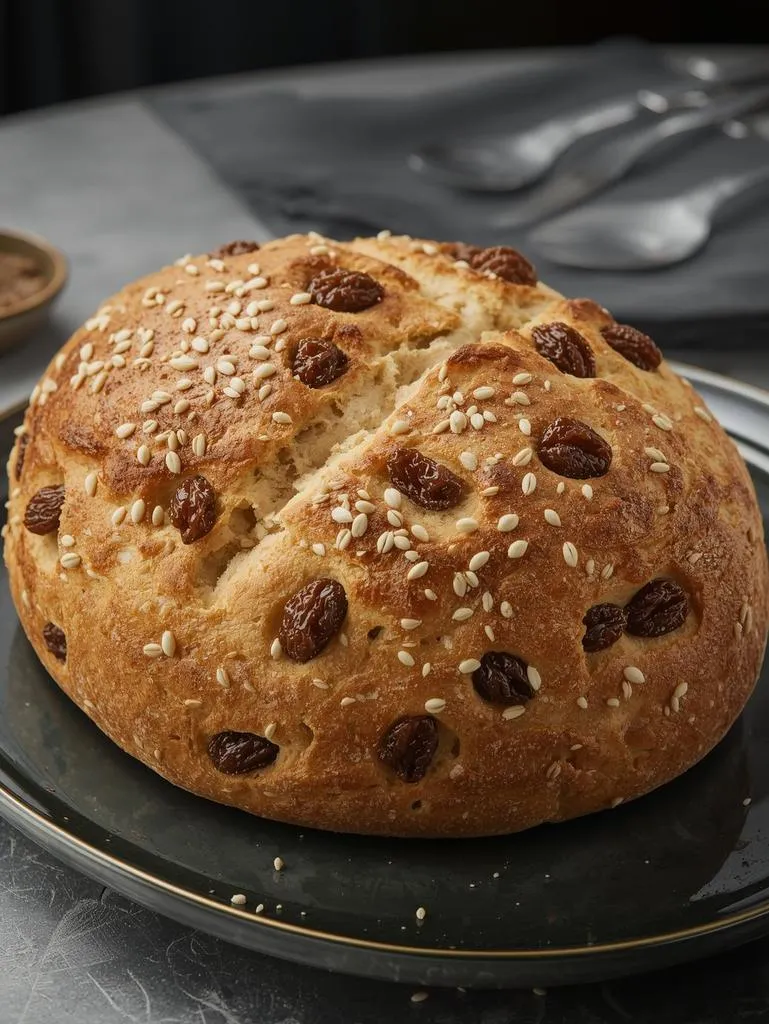
This is the version most commonly found in the US—slightly sweeter and more cake-like, studded with fruit and seeds .
- Ingredients:
- To the dry ingredients, add 1 cup of raisins (or currants) and 1 tablespoon of caraway seeds.
- Instructions:
- Toss the raisins and seeds with the flour mixture before adding the buttermilk. Proceed with the traditional recipe.
2. Savory Cheddar & Chive Soda Bread Farls
This version uses a mix of flours and is cooked on a stovetop griddle (or frying pan), resulting in flat, quartered pieces called “farls” .

- Ingredients:
- Instructions:
3. Sweet Brown Sugar & Cinnamon Swirl
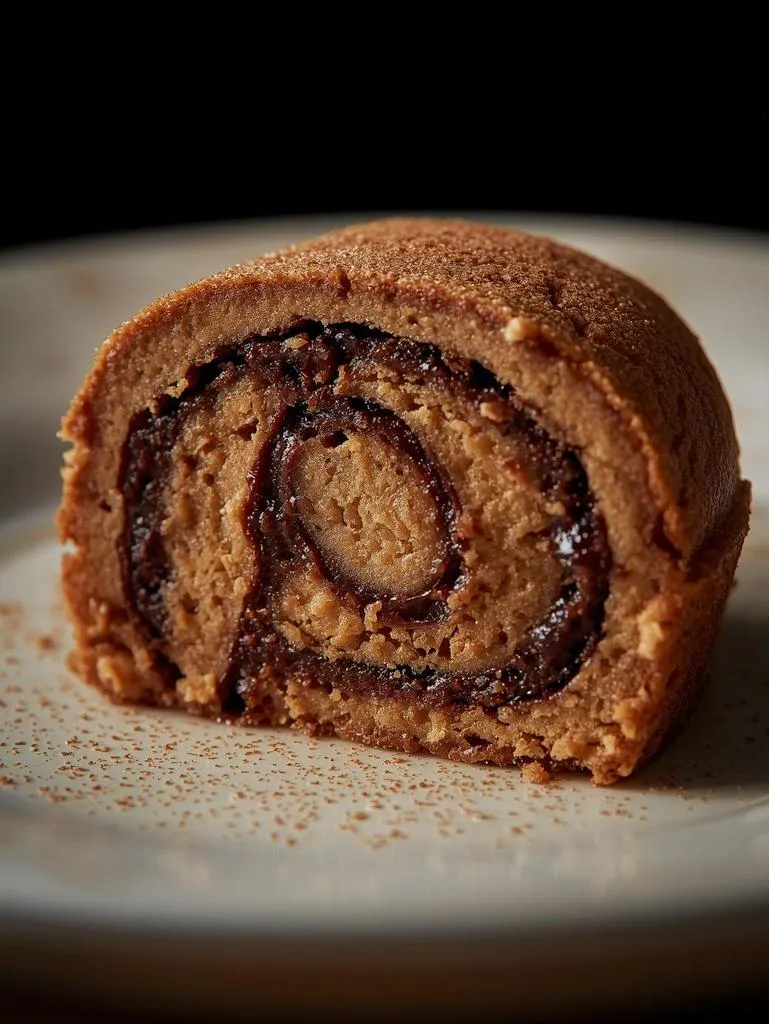
A delightful twist for breakfast or dessert, with a sweet, spiced ribbon running through the loaf.
- Ingredients:
- For the dough, add ¼ cup brown sugar to the dry ingredients. For the swirl,
- mix ¼ cup white sugar with 1 tablespoon ground cinnamon.
- Instructions:
- After mixing the dough,
- pat it out into a large rectangle. Sprinkle the cinnamon-sugar mixture over the dough, roll it up like a log,
- and then shape it into a round. Score and bake as usual.
4. Gluten-Free Irish Soda Bread
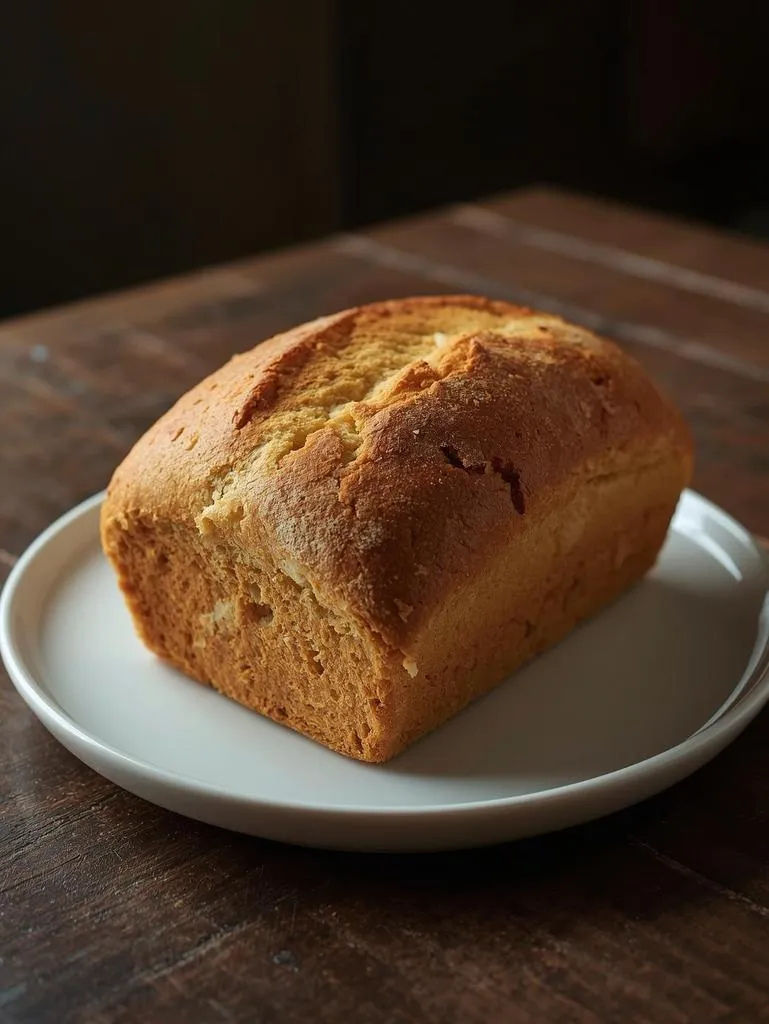
Soda bread is surprisingly easy to adapt to gluten-free diets because it doesn’t rely on gluten development for structure .
- Ingredients:
- Instructions:
5. Cranberry Orange Zest Soda Bread
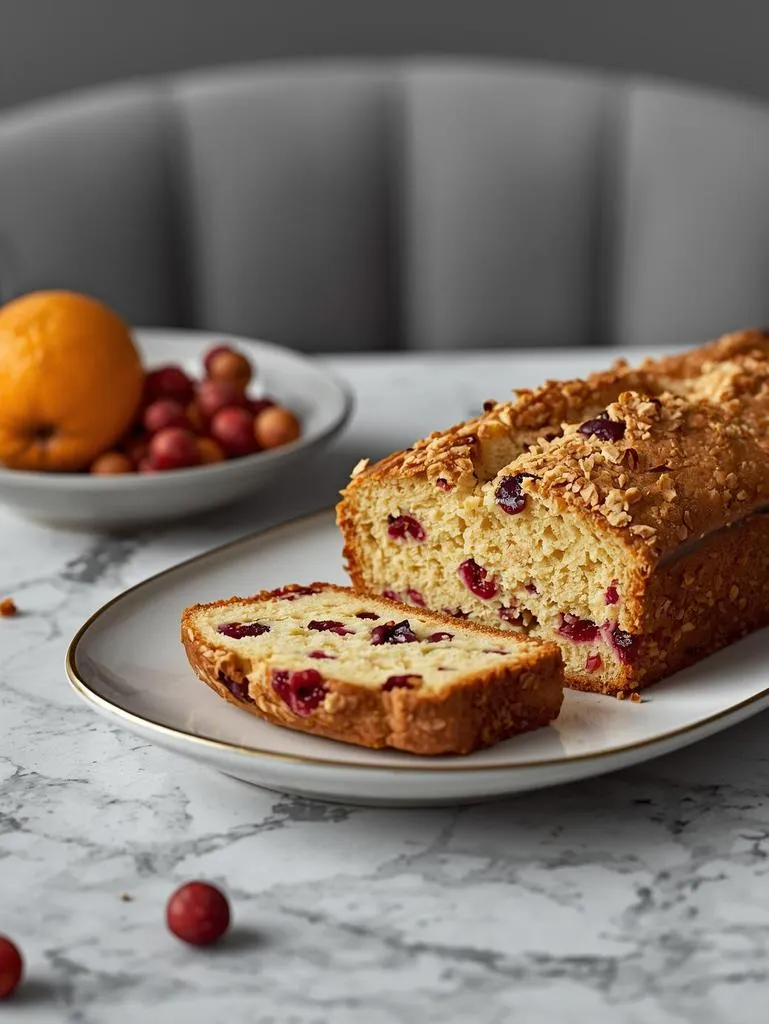
A bright, festive loaf perfect for the holidays.
- Ingredients:
- Add the zest of one large orange and ¾ cup of dried cranberries to the flour mixture.
- Instructions:
- For extra flavor,
- replace 2 tablespoons of the buttermilk with 2 tablespoons of fresh orange juice. Proceed with the traditional recipe.
6. Treacle (Molasses) Soda Bread
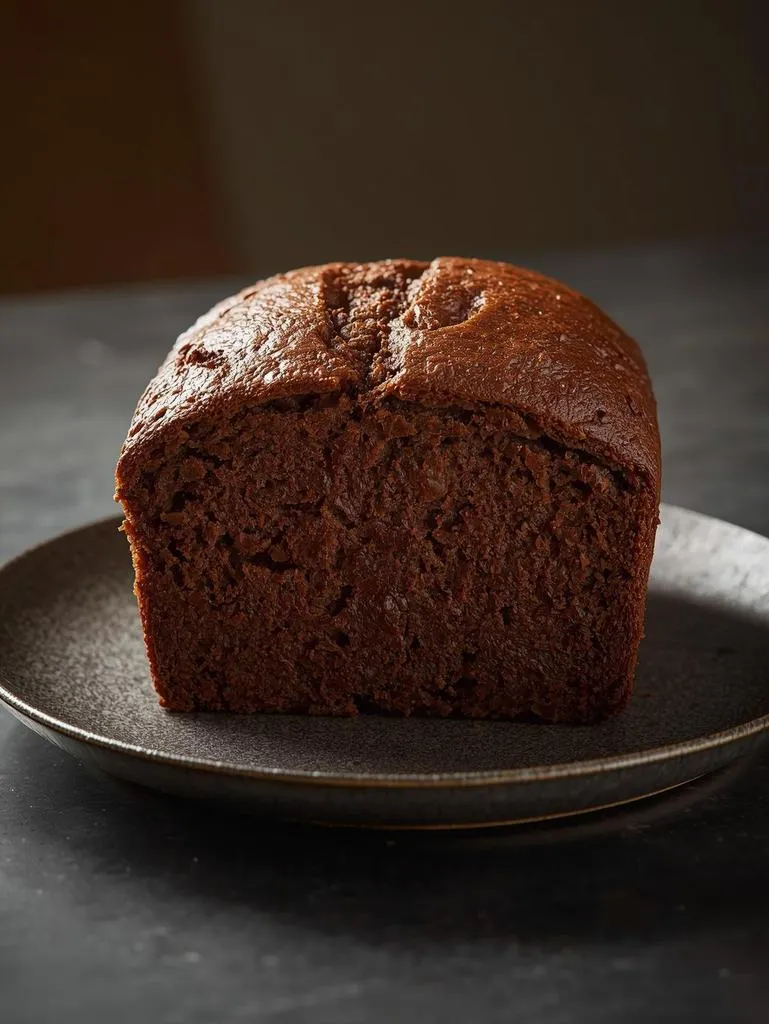
This version is darker, moister, and has a deep, rich, slightly bitter-sweet flavor from the molasses .
- Ingredients:
- Instructions:
- Whisk the molasses into the buttermilk thoroughly until combined. Add the liquid to the flour and proceed.
7. Vegan Irish Soda Bread
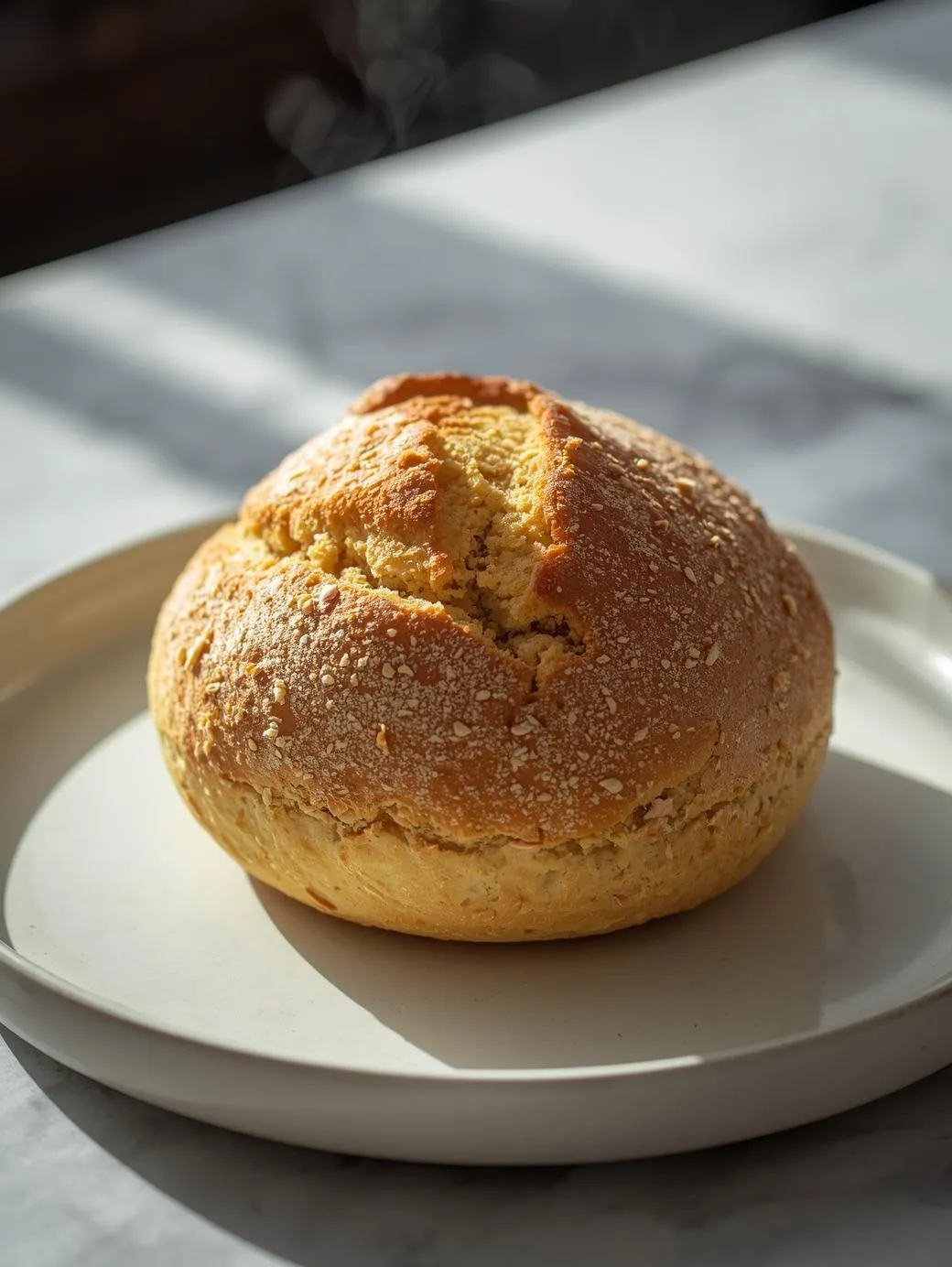
This classic bread is easy to make vegan by swapping the buttermilk.
- Ingredients:
- For the “buttermilk,” combine 1 ¼ cups of unsweetened soy or almond milk with 1 tablespoon of apple cider vinegar or lemon juice. Let it sit for 10 minutes to curdle . Use maple syrup instead of honey if you want to add sweetness.
- Instructions:
- Use a vegan butter or oil spread if the recipe calls for cutting in fat. Proceed as usual. The vegan buttermilk will react with the baking soda just like dairy.
8. Bacon & Chive Soda Bread
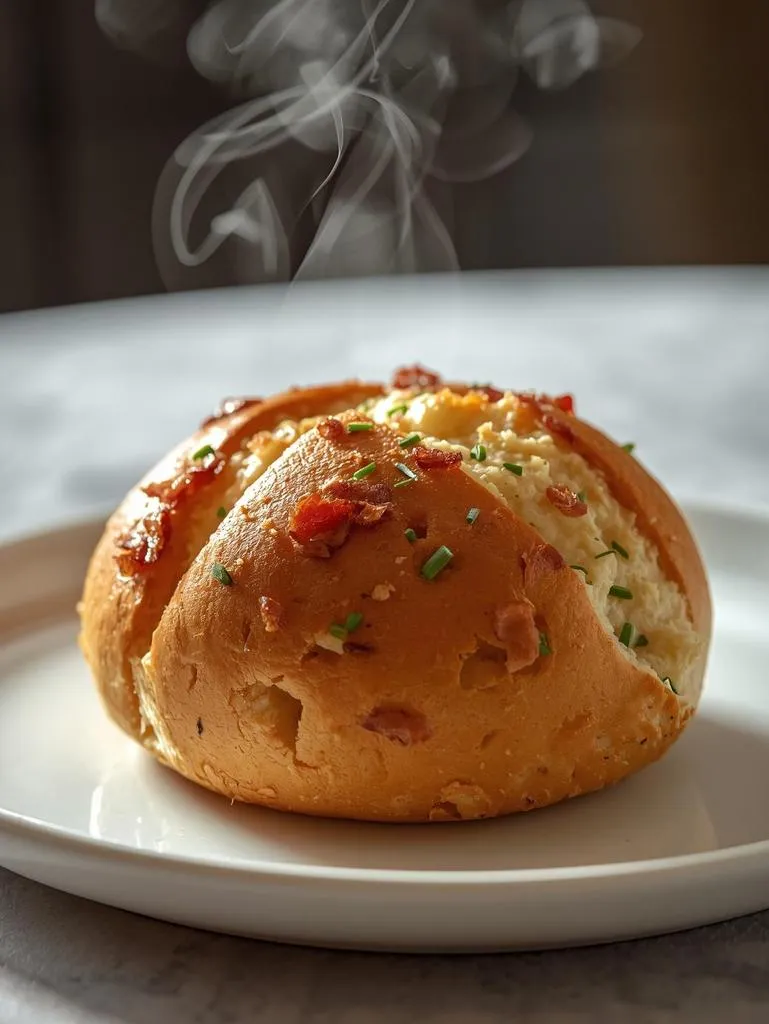
A savory, indulgent variation that pairs perfectly with soups or stews.
- Ingredients:
- Fry 6 strips of bacon until crispy, then crumble into small pieces. Add the bacon and ¼ cup of chopped fresh chives to the flour mixture.
- Instructions:
- Ensure the bacon has cooled completely before adding it to the flour, so it doesn’t melt the butter if you are using any. Reduce the salt in the recipe slightly,
- as bacon is salty.
9. Blueberry Lemon Soda Bread Muffins
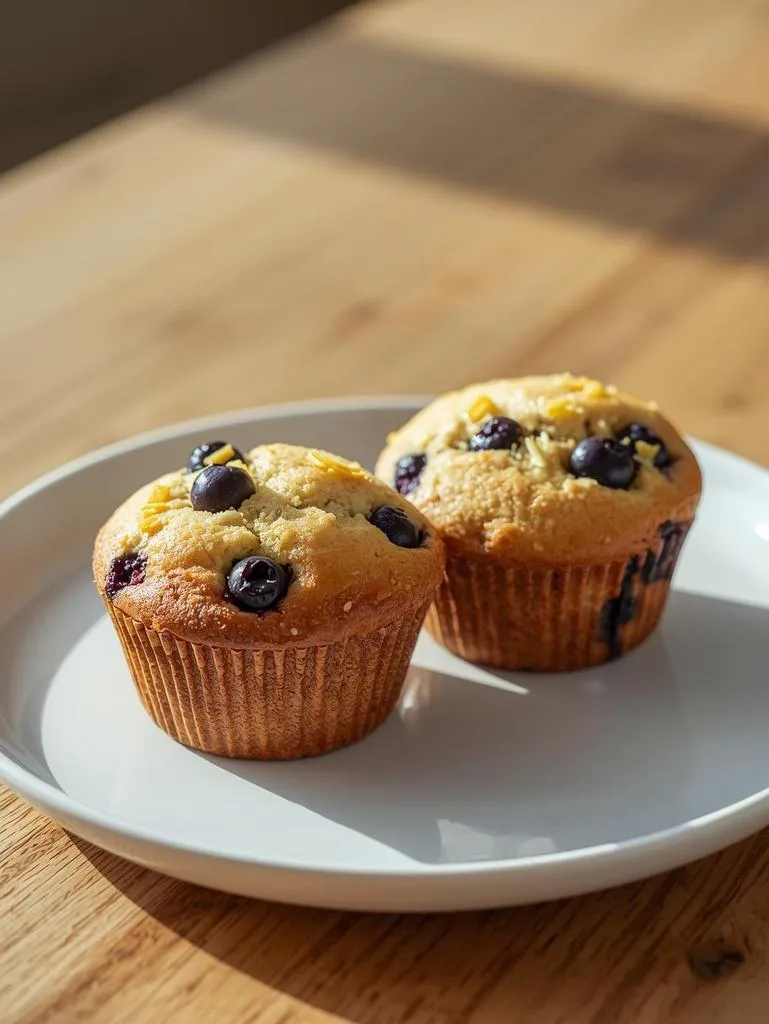
Turn your soda bread into portable, individual muffins .
- Ingredients:
- Prepare the Cranberry Orange variation, but substitute 1 cup of fresh or frozen blueberries for the cranberries, and lemon zest for the orange zest.
- Instructions:
- Gently fold the blueberries into the dough at the very end to prevent them from bleeding. Instead of shaping a loaf, divide the dough into a greased 12-cup muffin tin. Bake at 400°F for 15-20 minutes.
10. “Black” Irish Chocolate Soda Bread
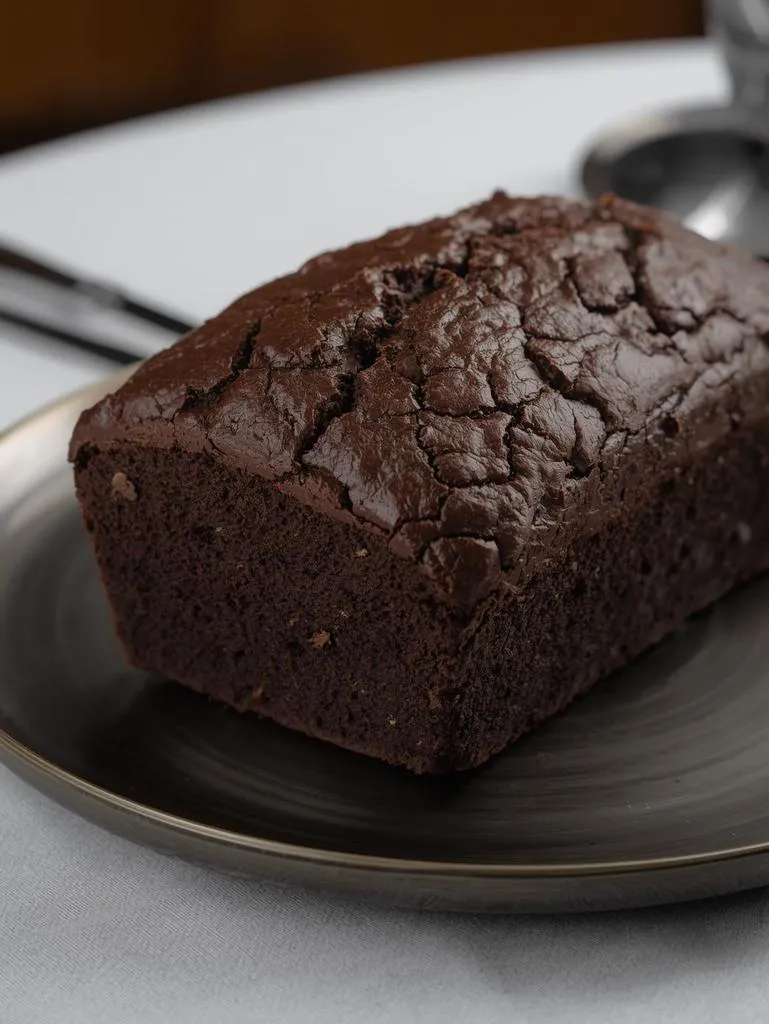
A decadent dessert loaf for true chocolate lovers .
- Ingredients:
- Sift ½ cup of unsweetened cocoa powder into the flour mixture. Add ½ cup of white sugar to the dry mix. Fold ½ cup of dark chocolate chips into the dough at the end.
- Instructions:
- Because cocoa powder absorbs moisture, you may need an extra 2-4 tablespoons of buttermilk to achieve the right shaggy dough consistency.
Nutritional Benefits of Irish Soda Bread
Compared to many other breads, particularly brioche or commercially produced white bread, Irish Soda Bread has several nutritional advantages, especially in its traditional form.
- Low in Fat:
- Good Source of Calcium:
- Lower in Sugar:
- Provides Selenium:
- Comparison to Biscuits:
FAQs
1.What’s the secret to really good Irish soda bread?
The secret is a “light hand.” Do not over-mix the dough, mixing only until it comes together and kneading for a bare maximum of 10-15 seconds. Kneading dough too much activates gluten, making bread rubbery instead of tender and flaky.
2.Why is my soda bread in the Irish so dry and gritty?
Dryness is typically caused by too much flour or overbaking. When mixing, the dough ought to be soft and shaggy, not stiff. And be sure to measure your flour properly by spooning it into the cup. Excess flour is the No. 1 nemesis.
3.Can I substitute white vinegar for buttermilk?
Yes, you can quick swap out one for the other. Combine 1 tablespoon of white vinegar or lemon juice in a measuring cup, and add enough milk (non-dairy or dairy) until you fill the cup to 1 ¼ cups. And then you let that sit for 5-10 minutes to curdle.
4.How can I tell that my soda bread is baked through?
The best test is the hollow sound test. Take the loaf out of the oven, turn it upside down and knock firmly on its bottom with your knuckles. If this feels hollow, it is done. If it sounds nowhere near dull and dense, it needs more time.
5.What went wrong with my soda bread?
The two most likely culprits are expired baking soda and/or an insufficiently hot oven. Baking soda does not stay potent forever. Always check the expiration date. Also get the bread into the hot oven, as quickly as is practical after mixing, to trap all that gas bubbles.
6.Does Irish soda bread have raisins?
Traditionally in Ireland, no. Traditional Irish soda bread is a savory loaf containing just four ingredients. Linzer torte, a traditional Austrian tart with ground hazelnuts and an apricot or raspberry filling, is made in the same way on its own; what do you call it when it’s unwittingly shared by generations of newly christened Irish-American bakers but without their raisin and caraway seed version that’s actually a New World-formed fork in the road popularized stateside.
7.How do I store Irish soda bread?
Wrap it tightly in plastic or keep in an airtight container at room temperature. Since it contains no preservatives, they encourage people to eat it within 2-3 days. When stored the crust will become soft.
8.How to Freeze Irish Soda Bread?
Absolutely! Irish soda bread freezes beautifully. Allow the loaf to cool, then wrap tightly, whole or in slices, in plastic wrap and pack it into a freezer bag. It will last for about 3 months. Thaw at room temperature.
9.What is the purpose of cutting a cross in Irish soda bread?
It serves two purposes. More practically, it aids the thick loaf in cooking evenly by facilitating heat contact with the interior. Symbolically, in Irish folklore it is to “let the devil out” or bless bread.
10.How should Irish soda bread be eaten?
Freshly baked, it’s delicious with a generous, slather of good salted butter and jam. That said, it’s also a classic accompaniment to a hearty bowl of Irish stew, chowder or soup.
11.My soda bread dough is sticking, why?
Soda bread dough is supposed to be a lot softer and stickier than yeasted bread dough. But if it is unmanageable, perhaps it’s too wet. Dust a little more flour on your work surface and on your hands, but avoid working too much additional flour into the dough itself.
12.How do I sub whole wheat in place of white?
Yes. Traditional Irish soda bread is, in fact, made with coarse, stone-ground whole wheat flour. You can also replace half or all of the white flour with whole wheat flour, but it will probably mean adding slightly more buttermilk because whole wheat absorbs a bit more liquid.
Final Thought
Irish Soda Bread is not so much a recipe as it is an embodiment of all that is good in the world — a reminder that greatness exists in simplicity. In a world of so many elaborate multi-step baking projects, this unassuming loaf reminds us that often the best things in life require the least. Just four staples and a little attention, and you have something warm, sustaining and deeply satisfying.
Whether you choose the classic, savory version that has nourished generations in Ireland or whether you go for one of the sweet and creative variations we’ve presented — with chocolate chips, spices, nuts or dried fruit — the process is simplified: mix quickly, handle lightly and bake straight away. There’s a special kind of magic in seeing a shapeless, shaggy dough morph, in the heat of a hot oven, into golden, glorious bread.
We hope this guide has made you feel confident enough to preheat your oven and get going. The “light touch”? Don’t fear it. Embrace it. And keep in mind that even a “flawed” loaf of homemade soda bread smeared with butter and shared with loved ones is totally perfect. So cross on top to let the devil out, and enjoy perfumes of your baking warming up the house with welcome.”
Leave a Reply