Healthy Campfire Meals: The Complete Guide to Quick, Easy, and Nutritious Outdoor Dining
Published:
Updated:
Author:
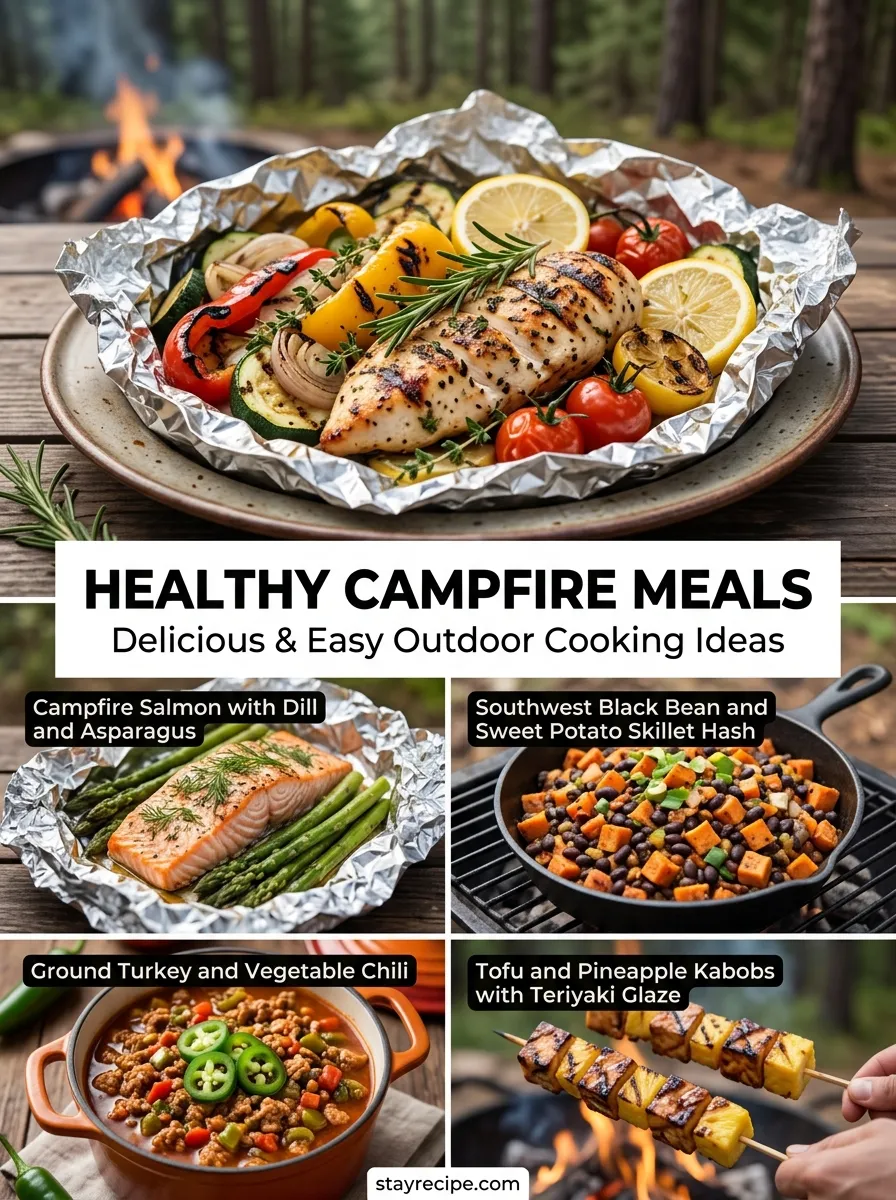
Cooking healthy campfire meals is the best way to upgrade your outdoor experience, giving you the rustic feel of cooking over an open flame while providing nutrition for your adventures. Inspiring campfire eats in the “why” are found indoors, deep into the woods or at a local campsite — simplicity and prep. This complete guide is meant to help you explore “How” to produce restaurant-quality results with quick, simple methods that don’t demand a full kitchen.
From calorie-counting foil packets to aesthetic and style-oriented cast iron pans, we’ve got you covered on the best ways to make weeknight or weekend camping a no-fuss affair. Selecting the right ingredients is key; we use fresh proteins and hearty vegetables that can endure the intense heat from the coals. These must-try recipes are not just about survival — they are creating an occasion and vibe around the warmth of the fire. With our step-by-step guide, you’ll find out why outdoor cooking is the world’s number one choice of foodies who want to stay in touch with nature. Prepare to turn your campfire into a five-star healthy kitchen!
Our Best one campfire meals recipe Garlic Lemon Herb Salmon Foil Packets
Ingredients
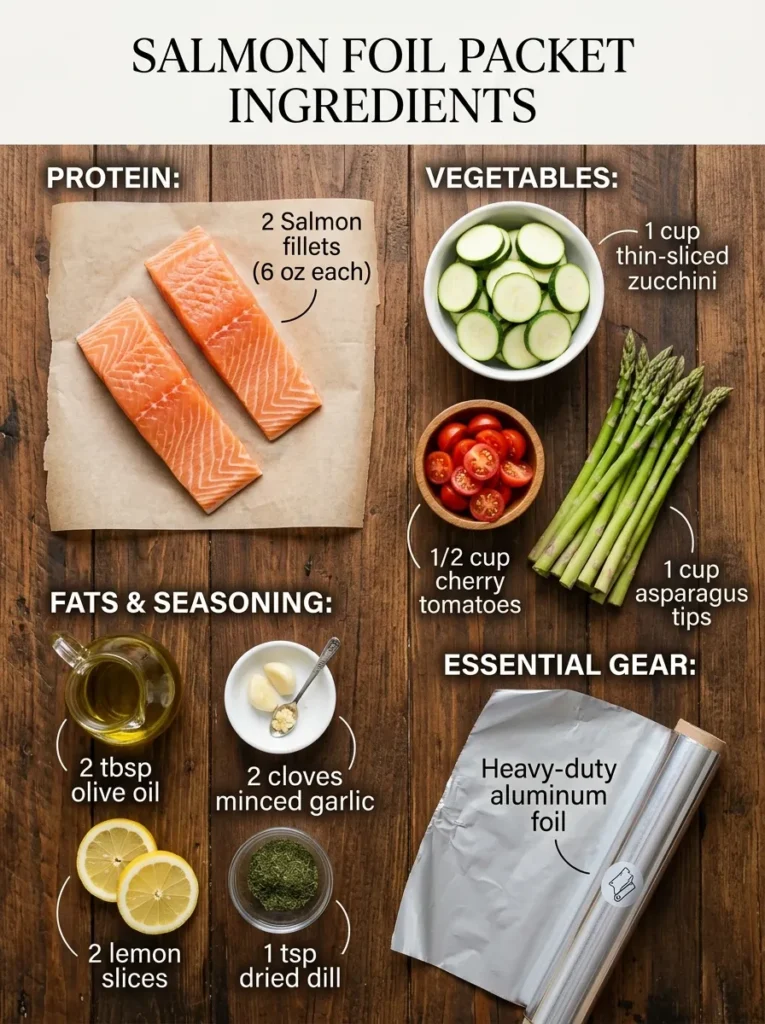
- Protein:
- Vegetables:
- Fats & Seasoning:
- Essential Gear:
Step-by-Step Instructions
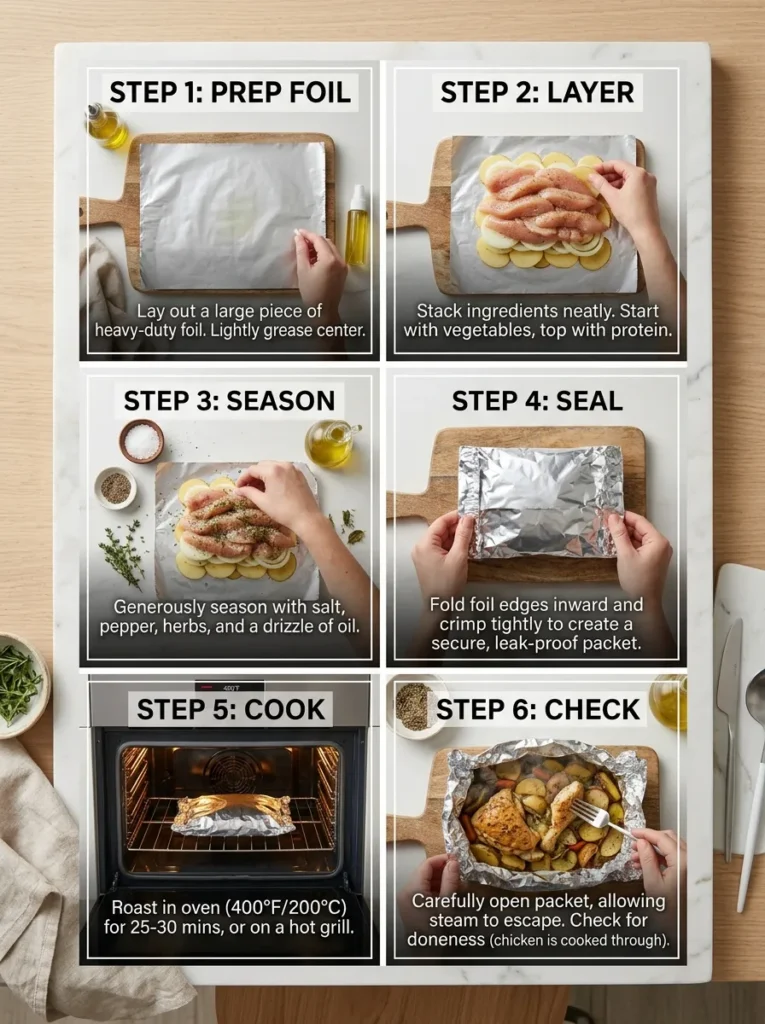
- Prep Foil:
- Cut two large squares of heavy-duty aluminum foil.
- Layer:
- Place a portion of zucchini and asparagus in the center of each foil sheet.
- Season:
- Top the vegetables with the salmon fillet. Drizzle with olive oil, garlic, dill, salt, and pepper.
- Seal:
- Place a lemon slice on the salmon. Fold the foil edges tightly to create a sealed pouch (this traps the steam).
- Cook:
- Place the packets on a grill grate over the campfire or directly on hot coals (not active flames). Cook for 12–15 minutes.
- Check:
- Carefully open the packet (watch for steam!) and ensure the salmon flakes easily with a fork.
Top 10 Variations
1. Chicken & Sweet Potato Medley
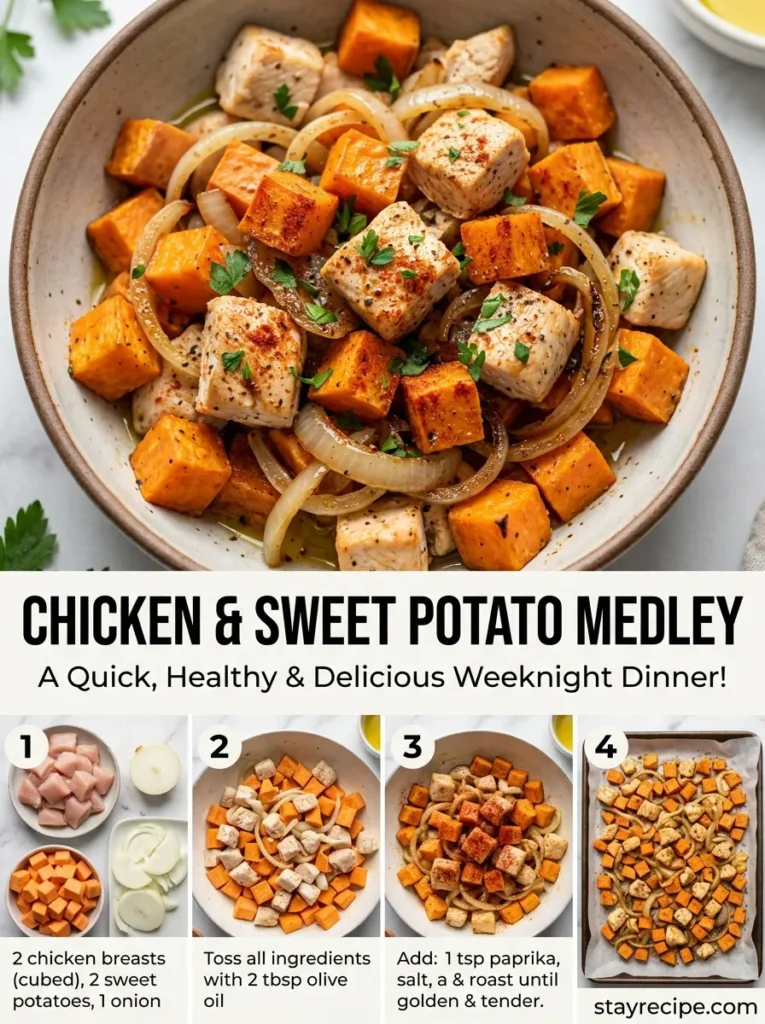
Ingredients:
- 2 chicken breasts (cubed)
- 2 sweet potatoes (cubed)
- 1 onion (sliced)
- 2 tbsp olive oil
- 1 tsp paprika, salt, pepper
Steps:
- Preheat grill or campfire.
- Toss chicken & veggies with oil and spices.
- Wrap in foil packets.
- Cook 20–25 mins, flipping halfway.
- Serve hot.
2. BBQ Chicken Foil Packets
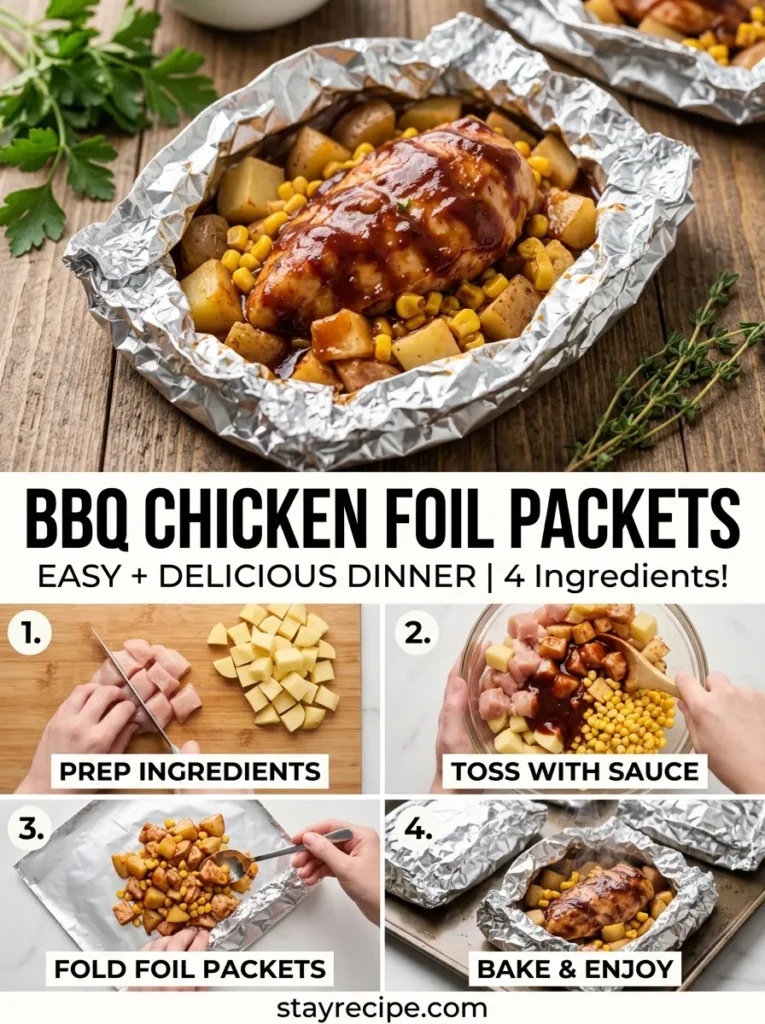
Ingredients:
- 2 chicken breasts
- 1 cup potatoes (cubed)
- ½ cup corn
- ½ cup BBQ sauce
Steps:
- Place chicken & veggies in foil.
- Pour BBQ sauce over everything.
- Seal tightly.
- Cook 25–30 mins over medium heat.
- Open carefully and enjoy.
3. Campfire Salmon with Lemon & Asparagus
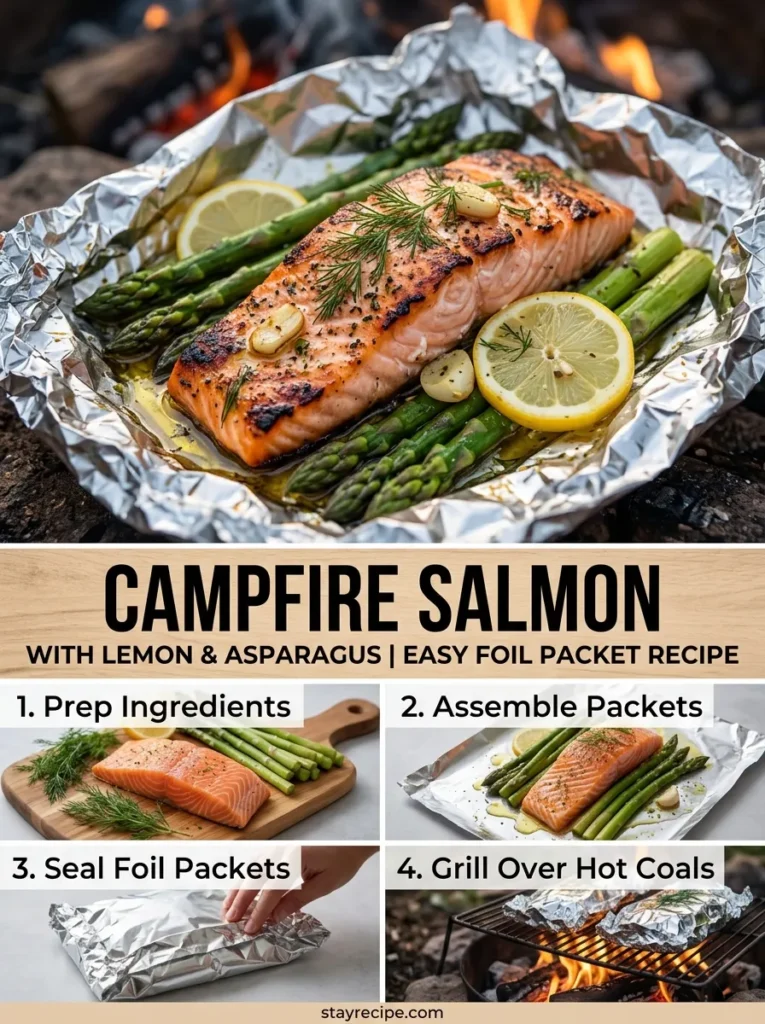
Ingredients:
- 2 salmon fillets
- 1 cup asparagus
- Lemon slices
- 2 tbsp olive oil
- Garlic, dill
Steps:
- Place salmon & asparagus on foil.
- Add garlic, dill, oil, lemon.
- Seal foil packet.
- Cook 12–15 mins.
- Serve fresh.
4. Stuffed Campfire Sweet Potatoes
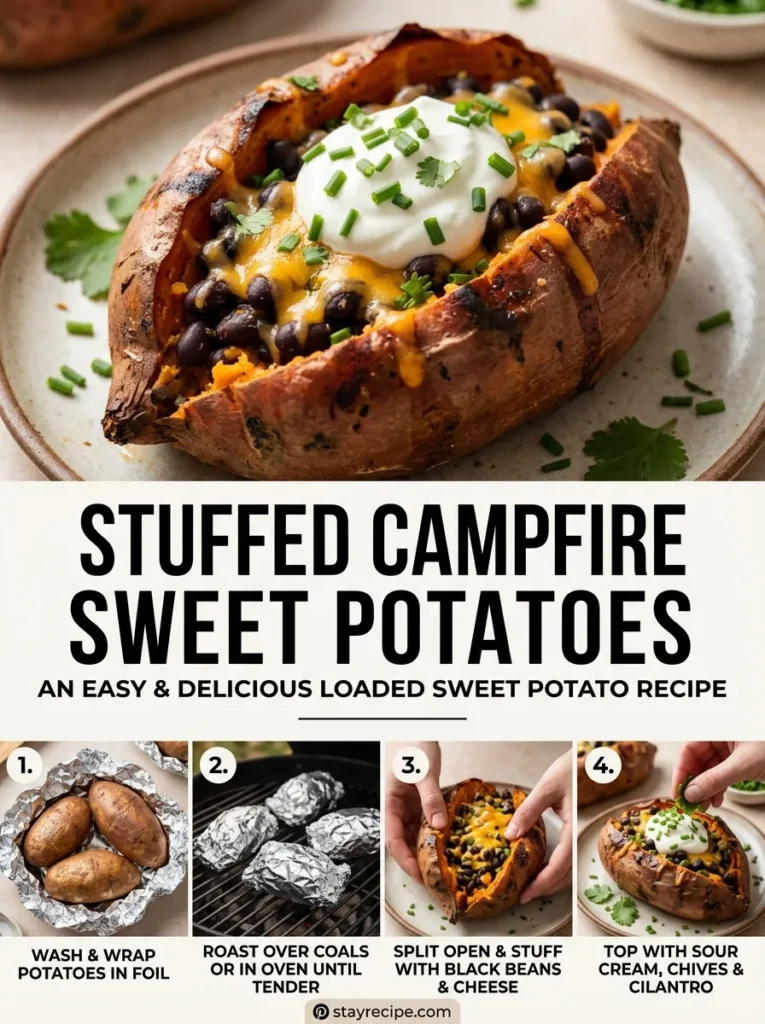
Ingredients:
- 4 sweet potatoes
- ½ cup black beans
- ½ cup cheese
- ¼ cup sour cream
Steps:
- Wrap potatoes in foil.
- Cook in coals for 40–50 mins.
- Slice open and stuff fillings.
- Add cheese & sour cream.
5. Mediterranean Grilled Chicken Skewers
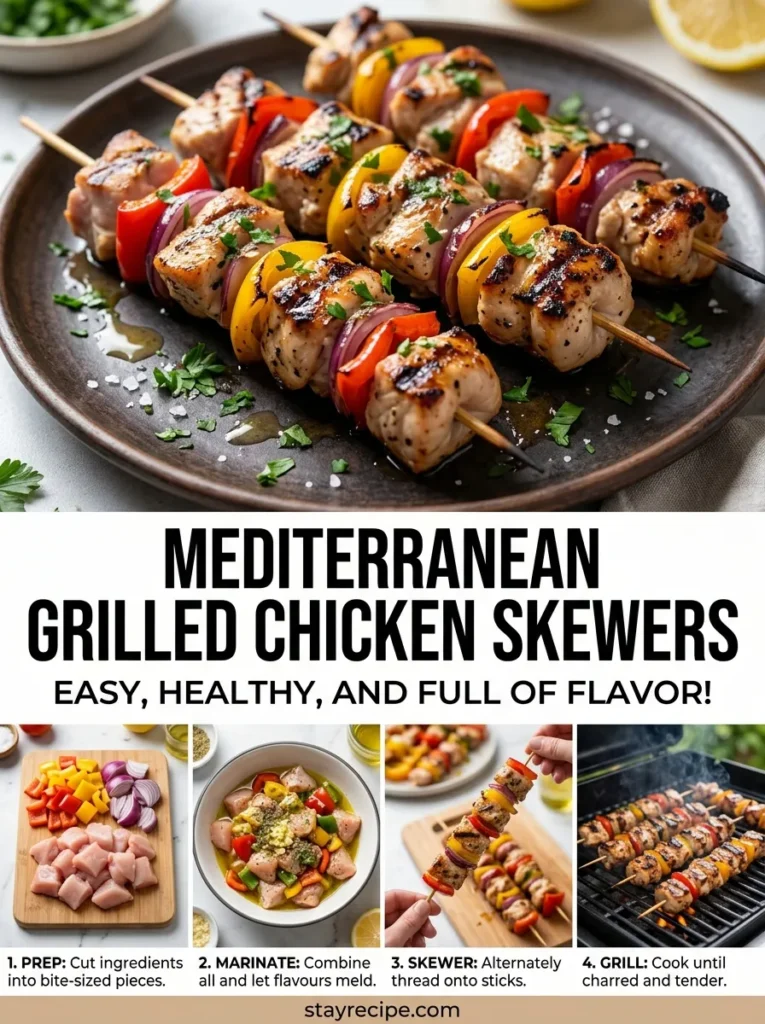
Ingredients:
- Chicken chunks
- Bell peppers, onion
- Olive oil, lemon juice
- Garlic, oregano
Steps:
- Marinate chicken (30 mins).
- Thread onto skewers with veggies.
- Grill 10–15 mins turning occasionally.
- Serve with fresh herbs.
6. Rainbow Salmon Foil Packets with Asparagus
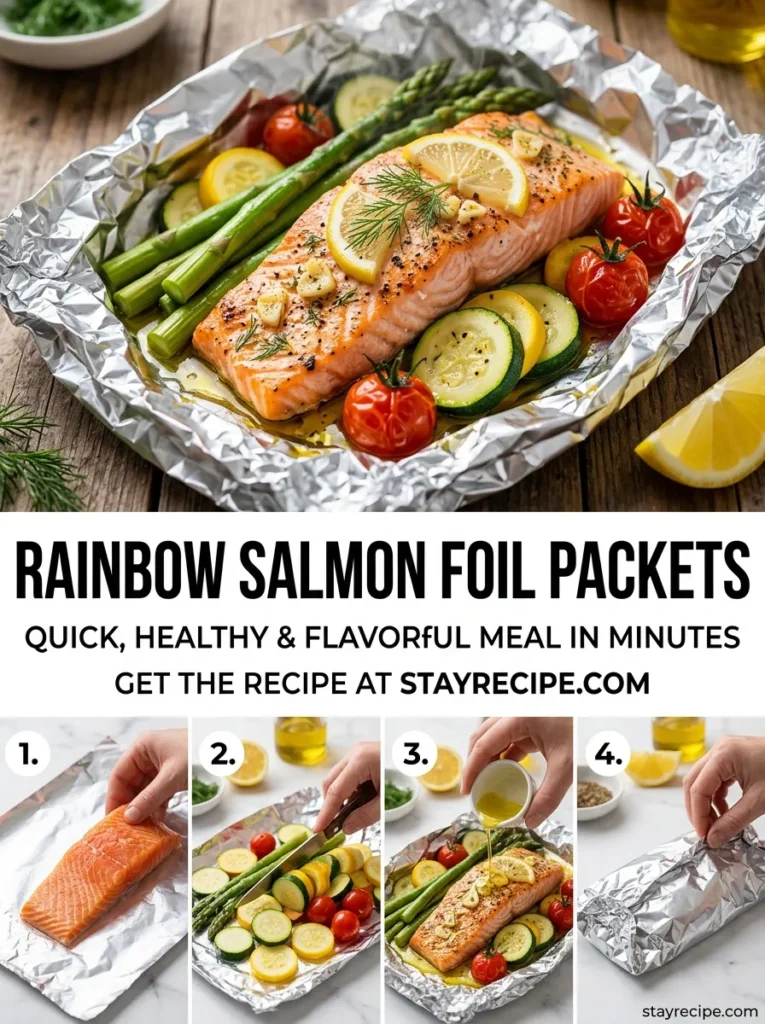
Ingredients:
- Salmon
- Zucchini, tomatoes, asparagus
- Olive oil, garlic, lemon
Steps:
- Arrange colorful veggies + salmon.
- Season well.
- Seal foil.
- Cook 12–15 mins.
7. Hearty Vegetable Sausage Skewers
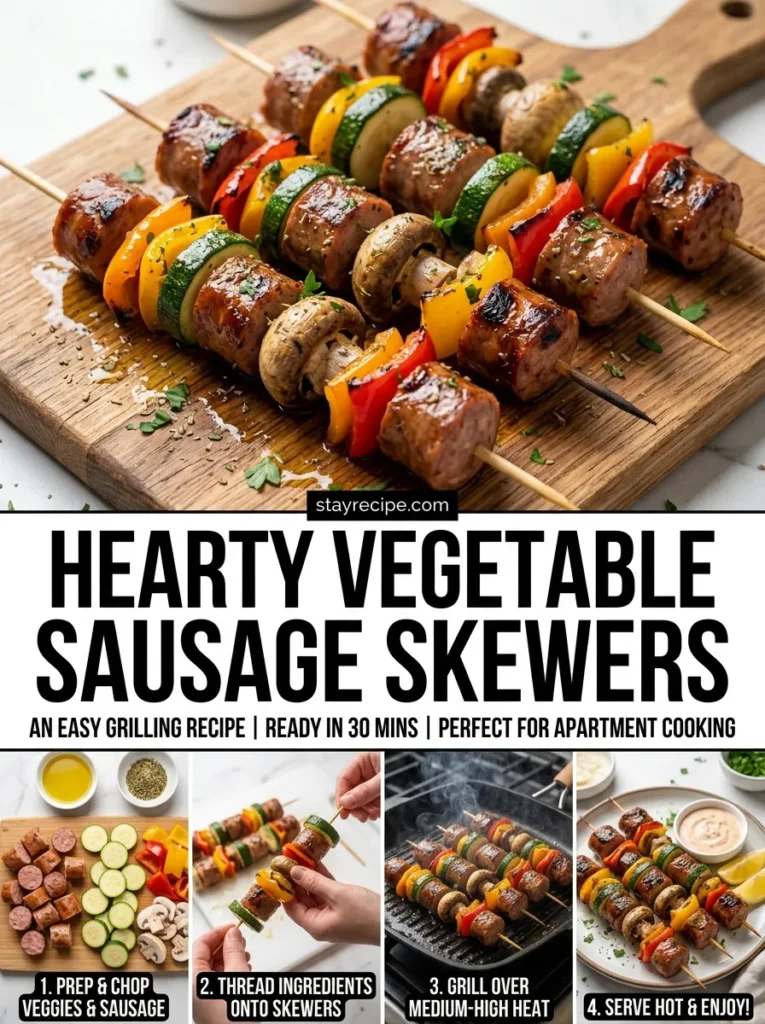
Ingredients:
- Sausage chunks
- Zucchini, peppers, mushrooms
- Olive oil, Italian seasoning
Steps:
- Thread sausage + veggies.
- Brush with oil + seasoning.
- Grill 12–15 mins.
- Turn for even cooking.
8. Loaded Baked Sweet Potatoes with Chili
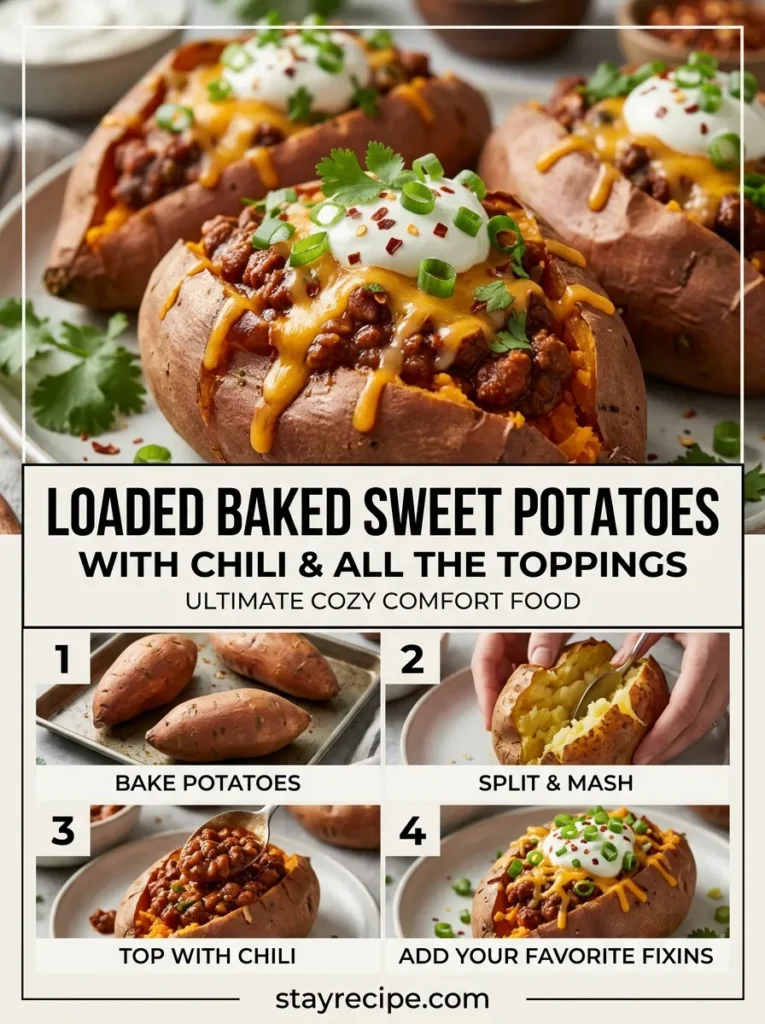
Ingredients:
- Sweet potatoes
- 1 cup chili
- Cheese, sour cream
Steps:
- Bake potatoes in foil (40 mins).
- Heat chili separately.
- Cut potatoes open.
- Top with chili & cheese.
9. Southwest Black Bean & Sweet Potato Skillet Hash
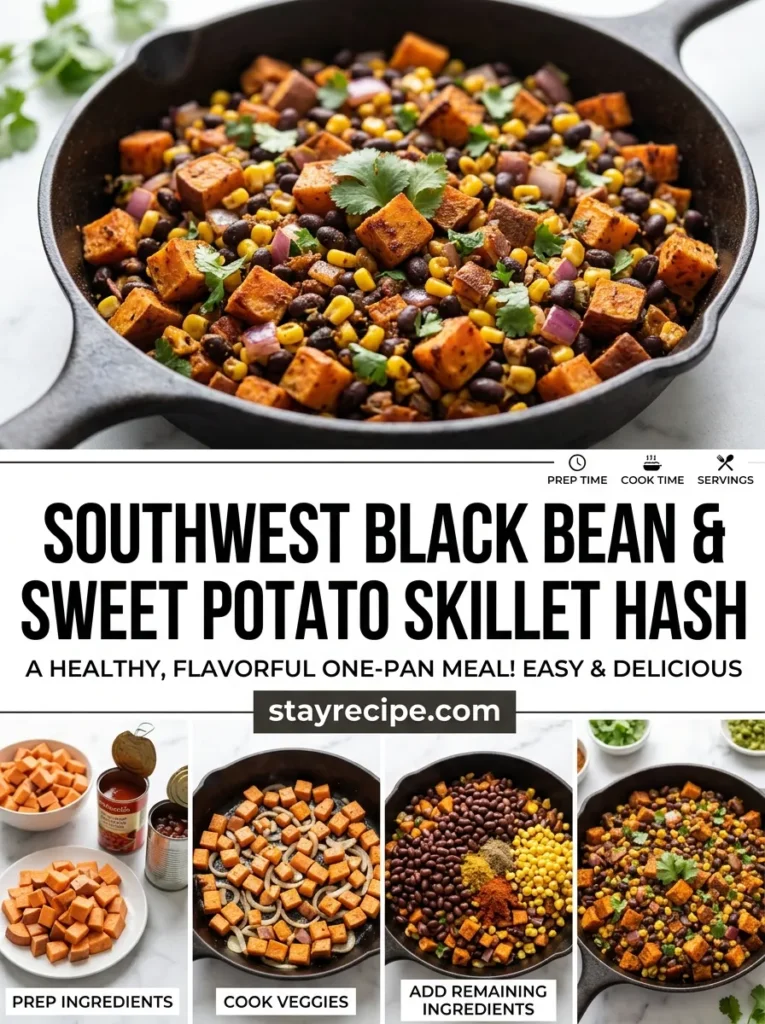
Ingredients:
- Sweet potatoes (cubed)
- Black beans
- Corn
- Chili powder, cumin
Steps:
- Cook potatoes in skillet until soft.
- Add beans & corn.
- Season well.
- Cook 10 mins and serve.
10. Tofu & Pineapple Teriyaki Kabobs
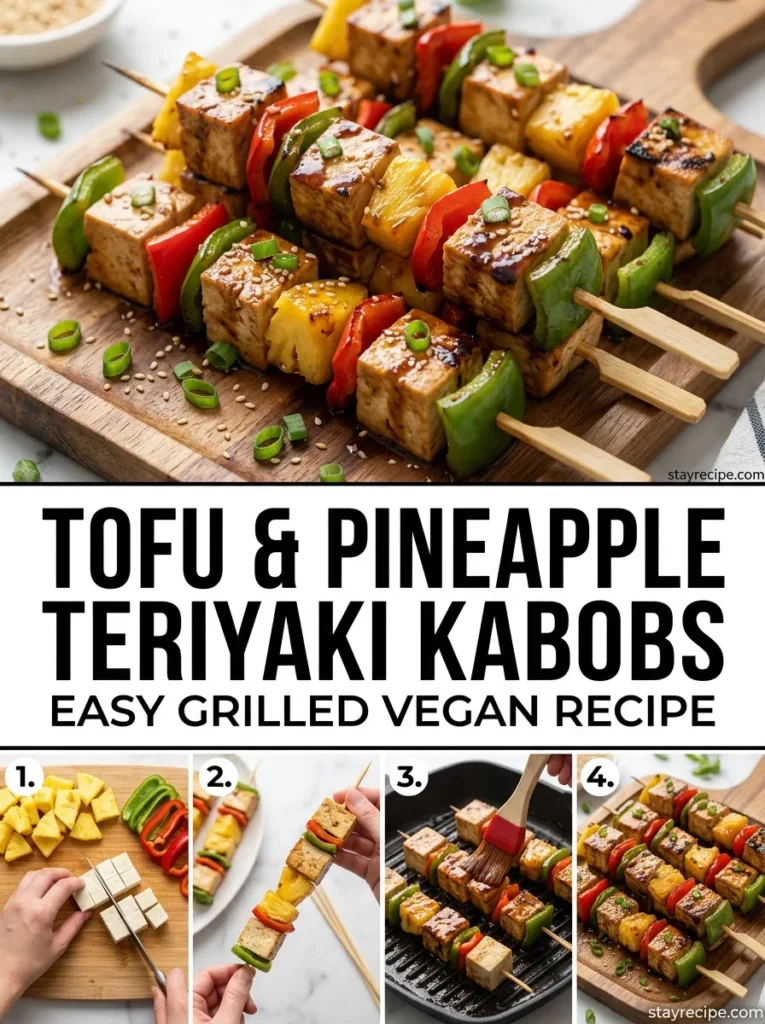
Ingredients:
- Firm tofu (cubed)
- Pineapple chunks
- Bell peppers
- Teriyaki sauce
Steps:
- Marinate tofu in teriyaki (20 mins).
- Thread onto skewers.
- Grill 10–12 mins.
- Brush extra sauce while cooking.
Nutritional Benefits
- Natural Smokey Flavor: Reduces the need for high-calorie sauces or excessive salt.
- Vitamin Retention: Foil steaming preserves the vitamins in vegetables better than boiling.
- Outdoor Activity Synergy: These high-protein meals provide the sustained energy needed for hiking and setup.
FAQs
1. What are the best foods to cook over a campfire?
Versatile classics are the most popular, including
Dutch oven stews, and
corn on the cob. For dessert,
s’mores and
banana boats remain the top choices.
Margaritaville Hotels & Resorts
2. Can you cook over an open flame or should you use coals?
When cooking over such a large, raging fire, it is one of the biggest mistakes to cook directly on top of them ending up burning the outside but leaving the inside raw. Expert guides including the one from The New York Times and another via Grillio recommend letting the fire die down until there’s a thick bed of glowing hot coals, which gives you more even, controlled heat.
3. What is the best cookware for a campfire?
Cast iron, though, is very high on your list of recommended cookware: It’s the gold standard for pans because it can take a lot of heat and distributes it evenly. Other favorites are heavy-duty aluminum foil for packets meals and carbon-steel skillets for those seeking a lighter weight option than cast iron.
4. How do you prevent food from burning in foil packets?
To avoid the food getting burnt, use heavy-duty foil (or double wrap with regular foil) and add a few drops of liquid or butter so that it can produce steam. Turning the packets over halfway through cooking, and putting them on a grate rather than directly on hot coals, will help ensure they’re evenly cooked.
5. What type of wood is best for cooking?
Dry, seasoned hardwoods such as oak, hickory or maple are preferable because they burn longer and cleaner with less smoke. Avoid softwoods such as pine, which burn fast and can impart a resinous、 to your food.
6. How do you store perishable food safely while camping?
Store perishables in a well-insulated cooler with plenty of ice or frozen gel packs. Food Network and BBC Good Food recommend separating raw meat from everything else, including himself, while making sure that it is at or below to avoid replicating bacteria.
7. How can you tell if meat is fully cooked over a fire?
Campfire heat is so inconsistent that a meat thermometer is the only way to ensure safety. For instance, RVshare points out that chicken needs to be at least
8. What are some easy “make-ahead” campfire meals?
Preparation is key to easy camping. Popular make-ahead options include pre-chopped veggies, marinated meats in Ziploc bags, and
frozen chili or stews that can be reheated in a single pot.
9. How do you clean up campfire grease and food scraps?
And follow “Leave No Trace” principles. Never discard grease into the flames or on the ground (it can attract wildlife). Sea Pirate Campground recommends biodegradable soap and washing dishes only in designated stations.
10. Can you use parchment paper in campfire foil packets?
Yes, you can put a layer of parchment paper inside the aluminum foil so food doesn’t stick and to keep it away from direct contact with the aluminum. Just make sure the paper is fully tucked into the foil so it doesn’t ignite.
11. What should you do if there are fire restrictions?
Check local fire regulations before your trip. In the event that dry conditions ban campfires, a propane camp stove or portable grill should suffice.
12. How do you properly extinguish a fire after cooking?
Safety is paramount. According to the New York State Department of Environmental Conservation, wade through the fire with water, mixing around the embers and repeating until everything is cold to touch.
Final Thought
From novice to expert, mastering healthy campfire meals is an incredible journey that combines culinary creation with nature. By zeroing in on methods that are quick and simple — like wrapping foil around something you plan to cook, or creating a sear in cast iron — you can have delicious dinners fit for weeknight eats even if you’re deep in the woods. This ultimate guide has (hopefully) shown you that there’s no reason you ever have to compromise your health or your taste buds while camping.
The beauty of campfire cooking is it’s customizable; if you’re on an eat-this-not-that plan or looking for that must-try aesthetic meal to post on social media, the fire offers a flavor you just can’t get from the kitchen stove. So to prepare for that trip to the US, UK or Canada, plan ahead. Pre-chop your veggies and marinate your proteins ahead of time to keep the experience low-stress. These ultimate recipes are more than just food; they’re the heart of the camping event and vibe. So take your ingredients out of the paper bags, ignite a fire and walk step by step to create something special in the starlight. Happy camping and an even happier eating!
Leave a Reply