Easy Weeknight Meal Planning Menus: A Step-by-Step Complete Guide
Published:
Updated:
Author:
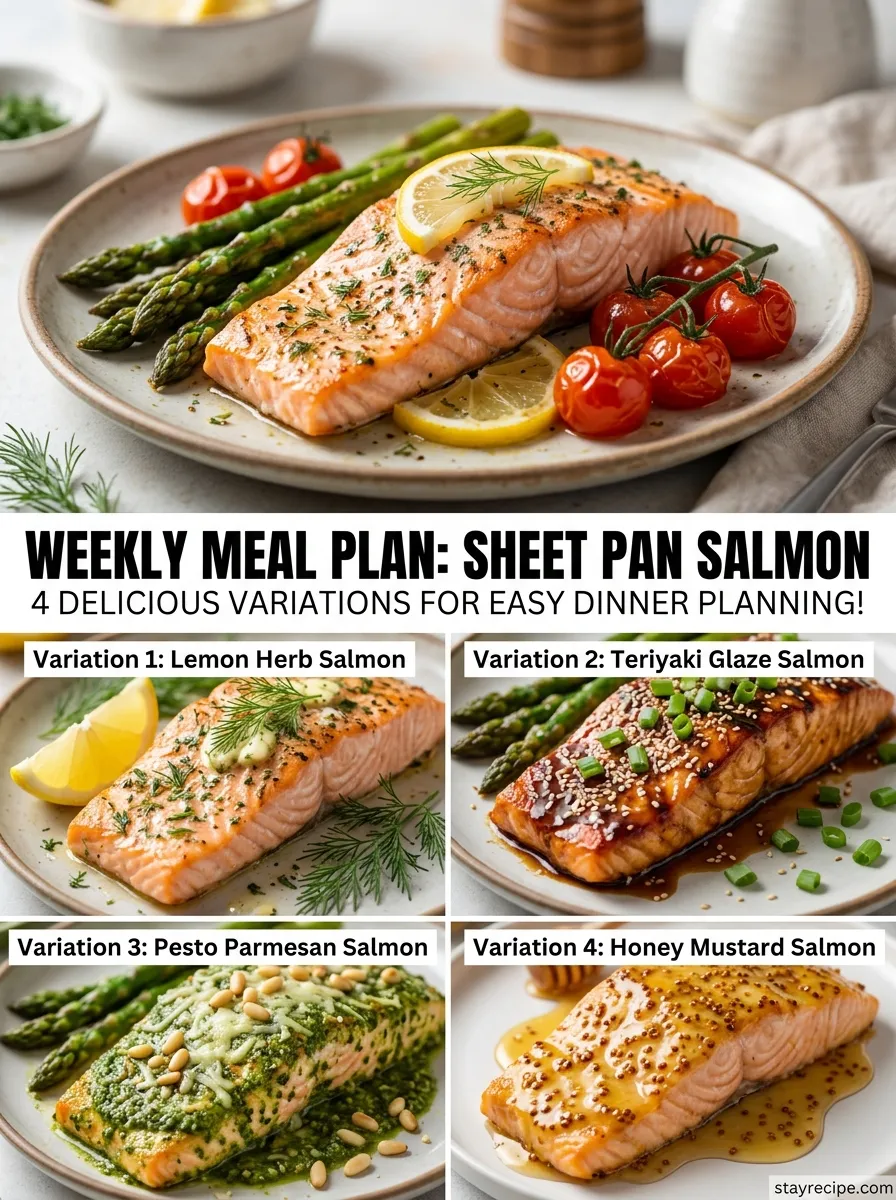
Revolutionize Your Kitchen Routine With Our Complete Guide to Meal Planning Menus If you’ve ever struggled with the dreaded “what’s for dinner?” question, finding out How to organize your food prep is a complete game changer. This Must-Try method is Healthy, Easy and Weeknight enabled for a busy way of life. A good menu is the best starting point for any type of health plan, Quick & Simple options for a busy growing family to Diet Specific menus such as Keto, Vegan or Mediterranean.
This guide explores the Why of effective planning on a very practical level—how reducing food waste actually saves money all over .We’ll also dive into the Aesthetic & Style of meal prepping, giving you our tips for how to set up your fridge and pantry with intention for maximum efficiency, and a high-vibe kitchen experience. With our Step-by-Step instructions you will create your own personalised Meal Planning Menus, one for every Occasion & Vibe so that each meal feels intentional and not rushed. That might sound like an impossible dream. Say farewell to take-out and welcome a more organized, healthier you.
Our Best one meal planning menus is Balanced Meal Prep Plan
Ingredients
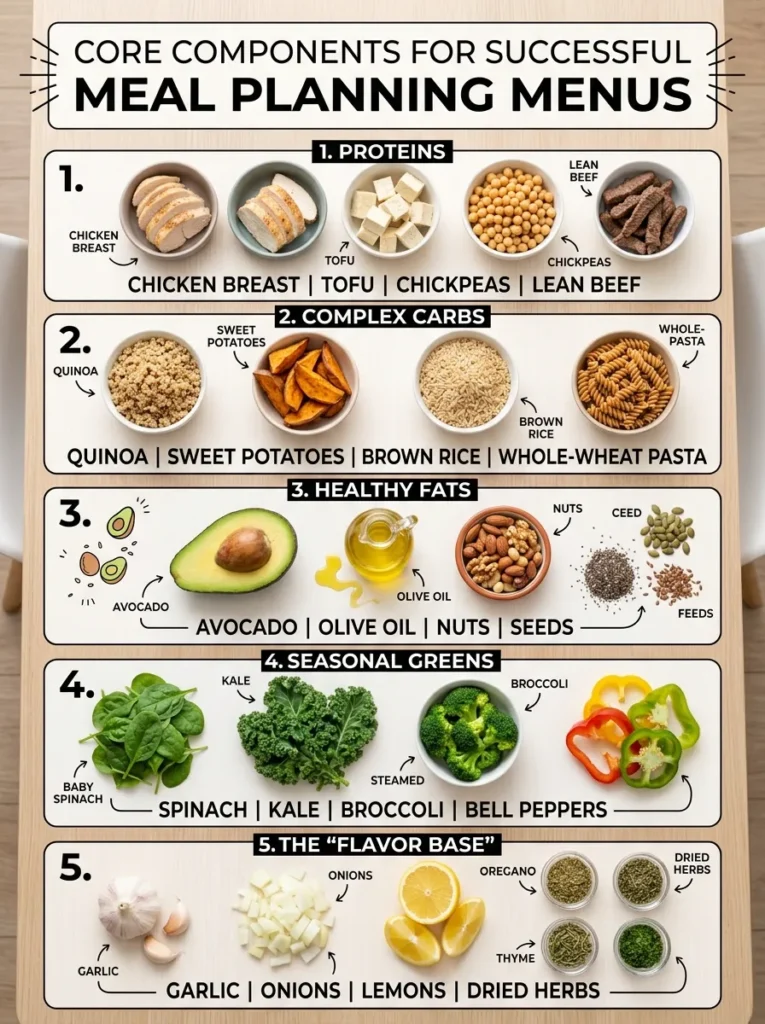
- Proteins: Chicken breast, tofu, chickpeas, or lean beef.
- Complex Carbs: Quinoa, sweet potatoes, brown rice, or whole-wheat pasta.
- Healthy Fats: Avocado, olive oil, nuts, and seeds.
- Seasonal Greens: Spinach, kale, broccoli, or bell peppers.
- The “Flavor Base”: Garlic, onions, lemons, and a variety of dried herbs.
Step-by-Step Instructions
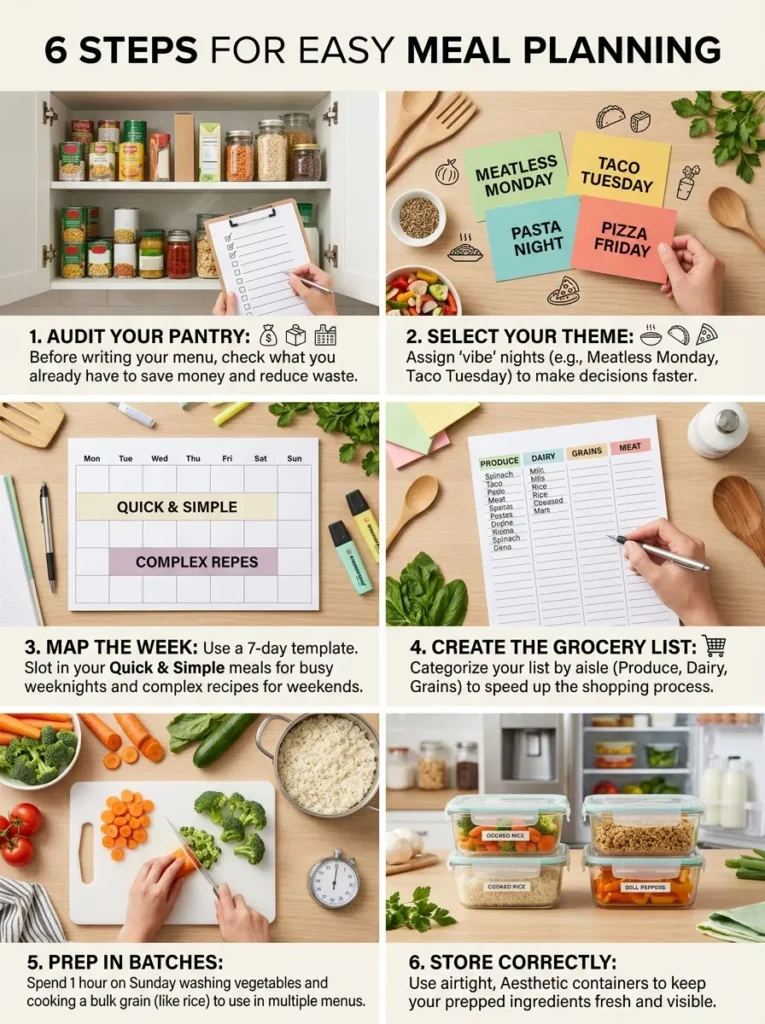
- Audit Your Pantry: Before writing your menu, check what you already have to save money and reduce waste.
- Select Your Theme: Assign “vibe” nights (e.g., Meatless Monday, Taco Tuesday) to make decisions faster.
- Map the Week: Use a 7-day template. Slot in your Quick & Simple meals for busy weeknights and complex recipes for weekends.
- Create the Grocery List: Categorize your list by aisle (Produce, Dairy, Grains) to speed up the shopping process.
- Prep in Batches: Spend 1 hour on Sunday washing vegetables and cooking a bulk grain (like rice) to use in multiple menus.
- Store Correctly: Use airtight, Aesthetic containers to keep your prepped ingredients fresh and visible.
Top 10 Variations
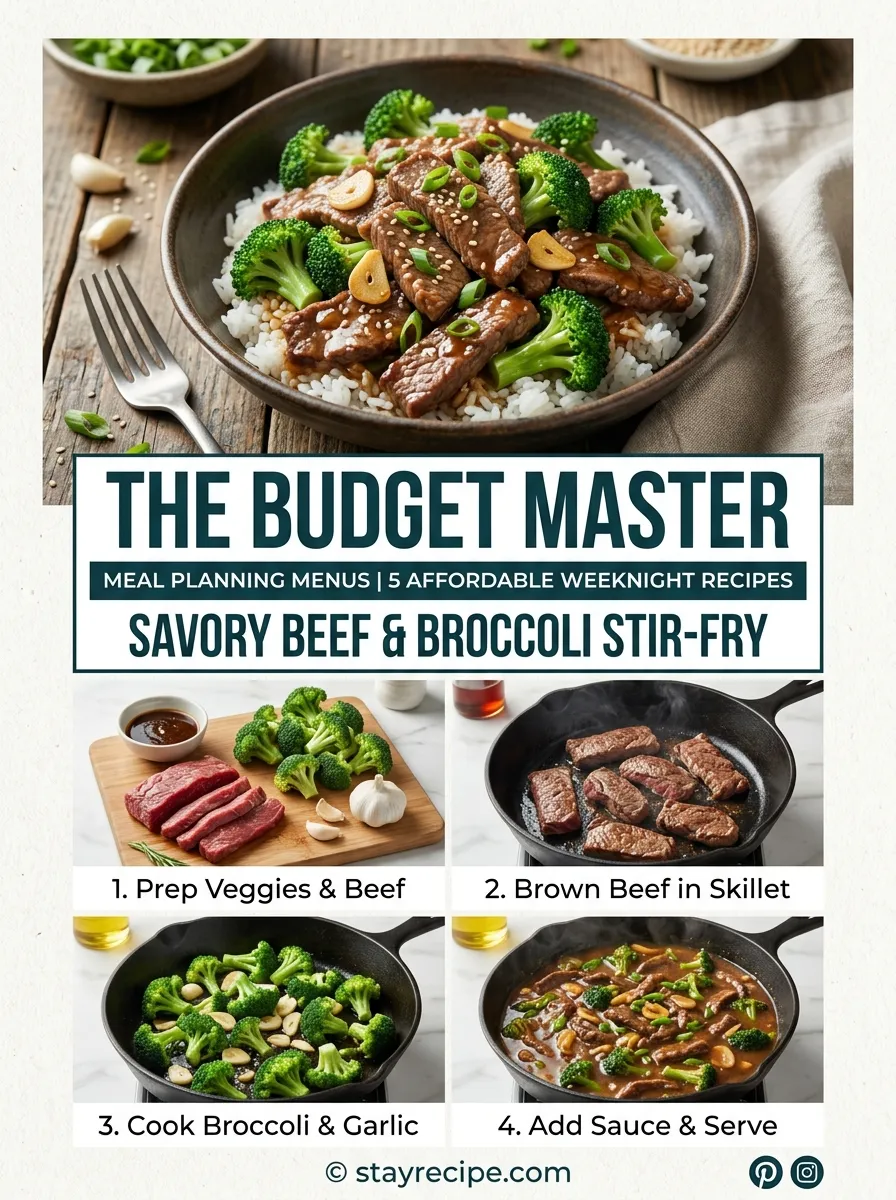
1. The Budget Master with meal planning menus
Ingredients
- Canned beans
- Eggs
- Frozen vegetables
- Rice or pasta
Step-by-Step Instructions
- Cook rice or pasta as a base
- Heat beans and frozen vegetables in a pan
- Fry or boil eggs separately
- Combine everything into simple meals for the week
2. The 15-Minute Menu with meal planning menus
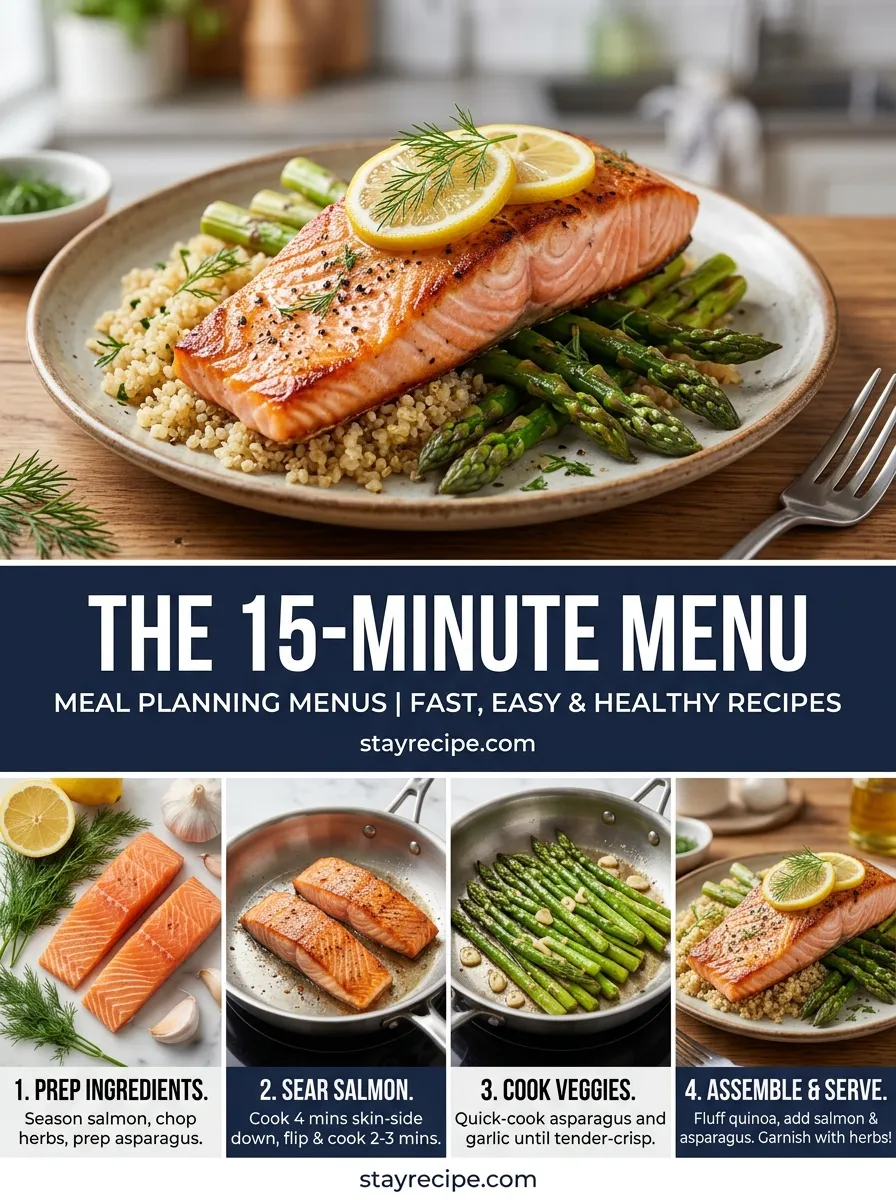
Ingredients
- Pre-cut vegetables
- Rotisserie chicken
- Ready-made sauces
- Quick-cook grains
Step-by-Step Instructions
- Heat pre-cooked chicken in a pan
- Add pre-cut vegetables
- Toss with sauce of choice
- Serve over quick-cooked grains
3. Plant-Based Power with meal planning menus
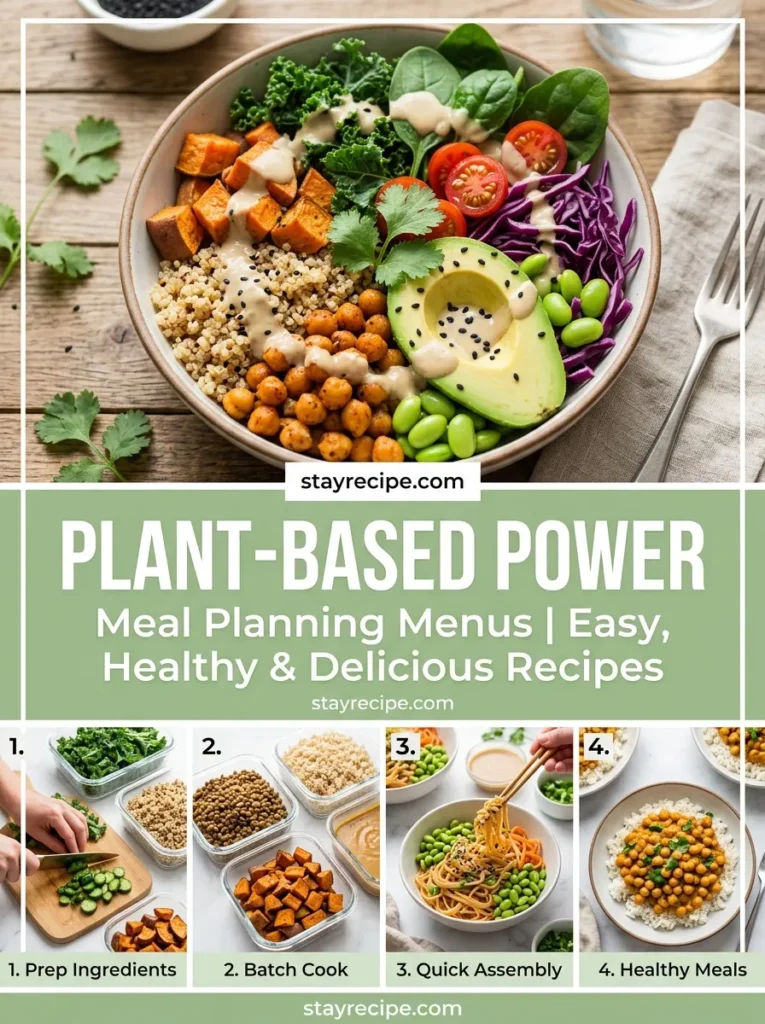
Ingredients
- Lentils
- Tempeh
- Mixed vegetables
- Spices
Step-by-Step Instructions
- Cook lentils until tender
- Pan-fry tempeh until golden
- Add vegetables and spices
- Combine everything and serve
4. Low-Carb Luxury with meal planning menus
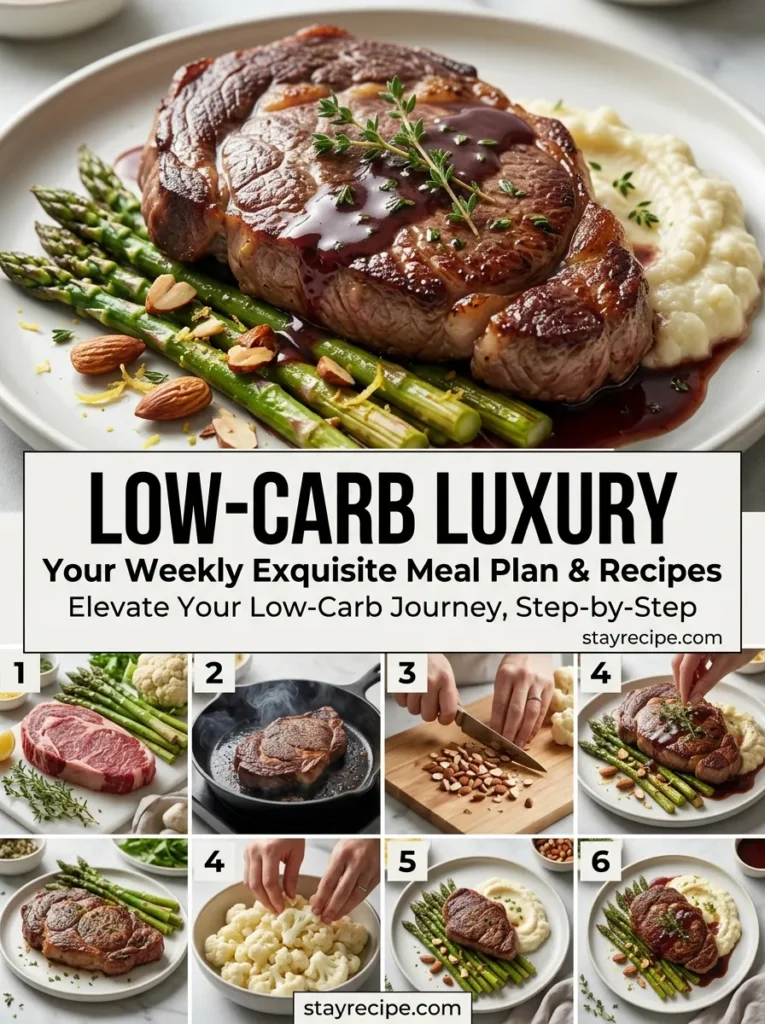
Ingredients
- Cauliflower rice
- Zucchini noodles
- Chicken or shrimp
- Olive oil
Step-by-Step Instructions
- Sauté protein in olive oil
- Add cauliflower rice or zucchini noodles
- Cook briefly to keep texture
- Season and serve
5. The “One-Pan” Plan with meal planning menus
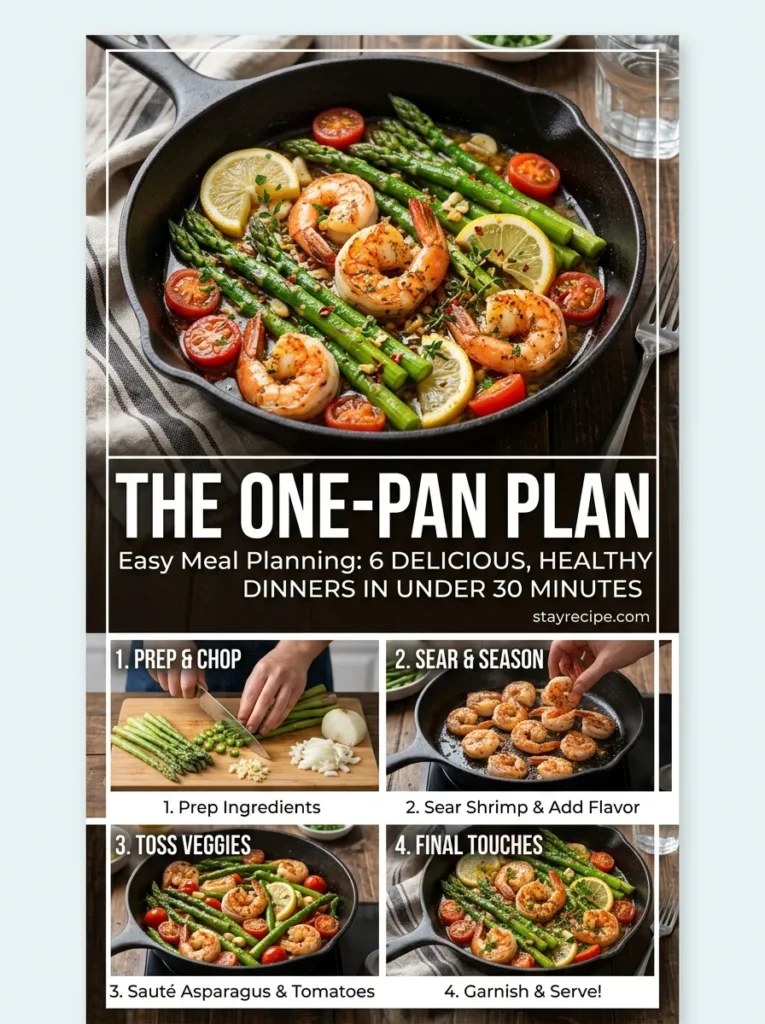
Ingredients
- Protein (chicken, beef, or tofu)
- Mixed vegetables
- Olive oil
- Seasonings
Step-by-Step Instructions
- Toss all ingredients with oil and seasoning
- Spread on a sheet pan
- Roast at 200°C for 20–25 minutes
- Serve directly from pan
6. Family Favorites with meal planning menus
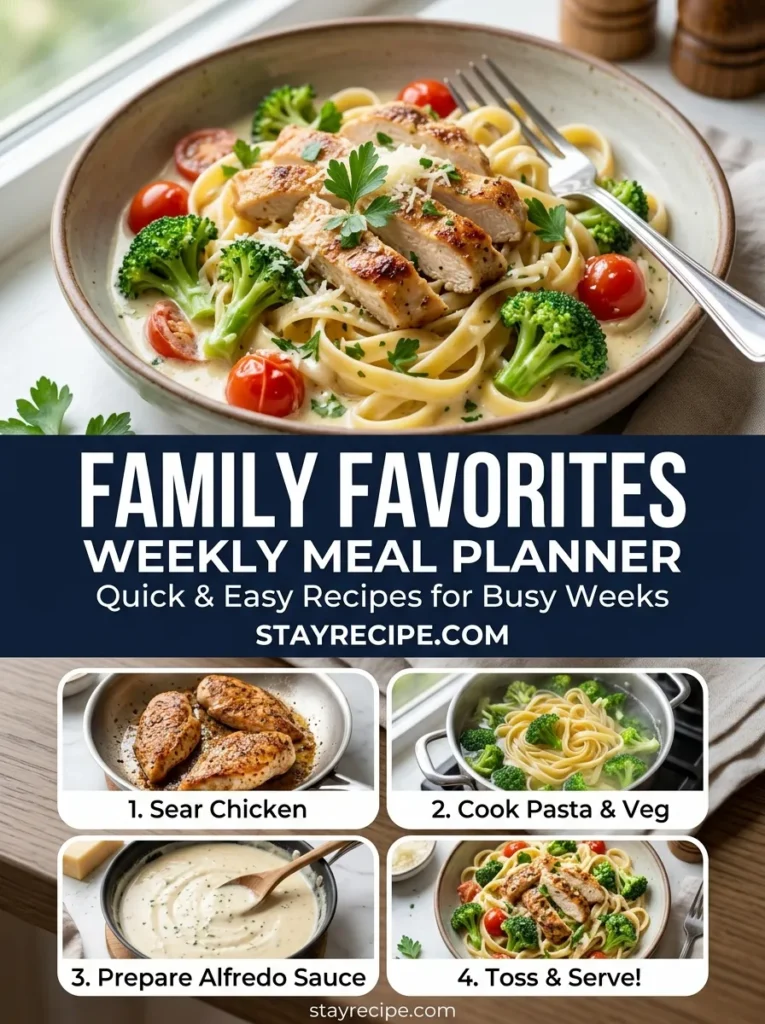
Ingredients
- Whole wheat pizza base
- Pasta
- Tomato sauce
- Cheese
Step-by-Step Instructions
- Prepare pizza with healthy toppings
- Bake until cheese melts
- Cook pasta and mix with sauce
- Serve kid-friendly meals
7. The Mediterranean Vibe with meal planning menus
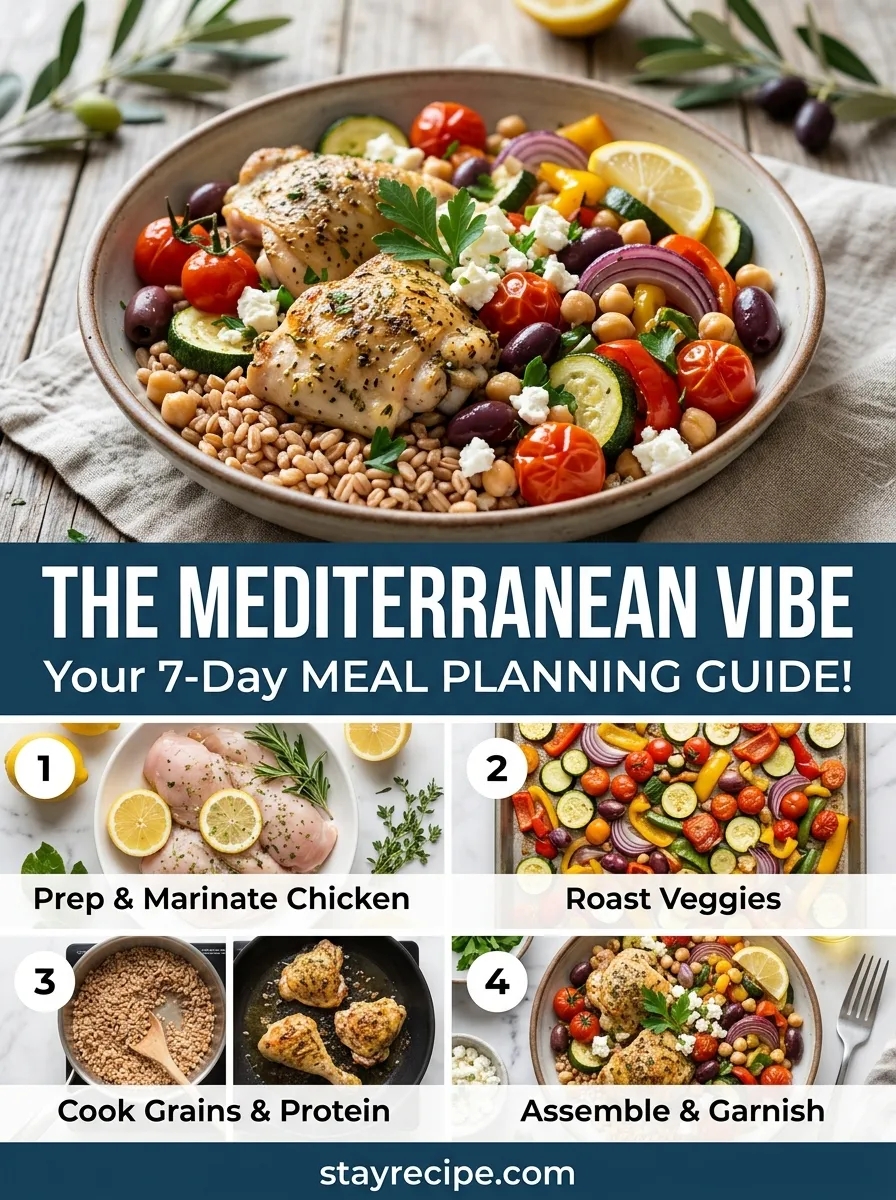
Ingredients
- Olive oil
- Fresh fish
- Feta cheese
- Vegetables
Step-by-Step Instructions
- Grill or bake fish with olive oil
- Prepare a fresh vegetable salad
- Add feta cheese on top
- Serve with simple sides
8. High-Protein Athlete with meal planning menus
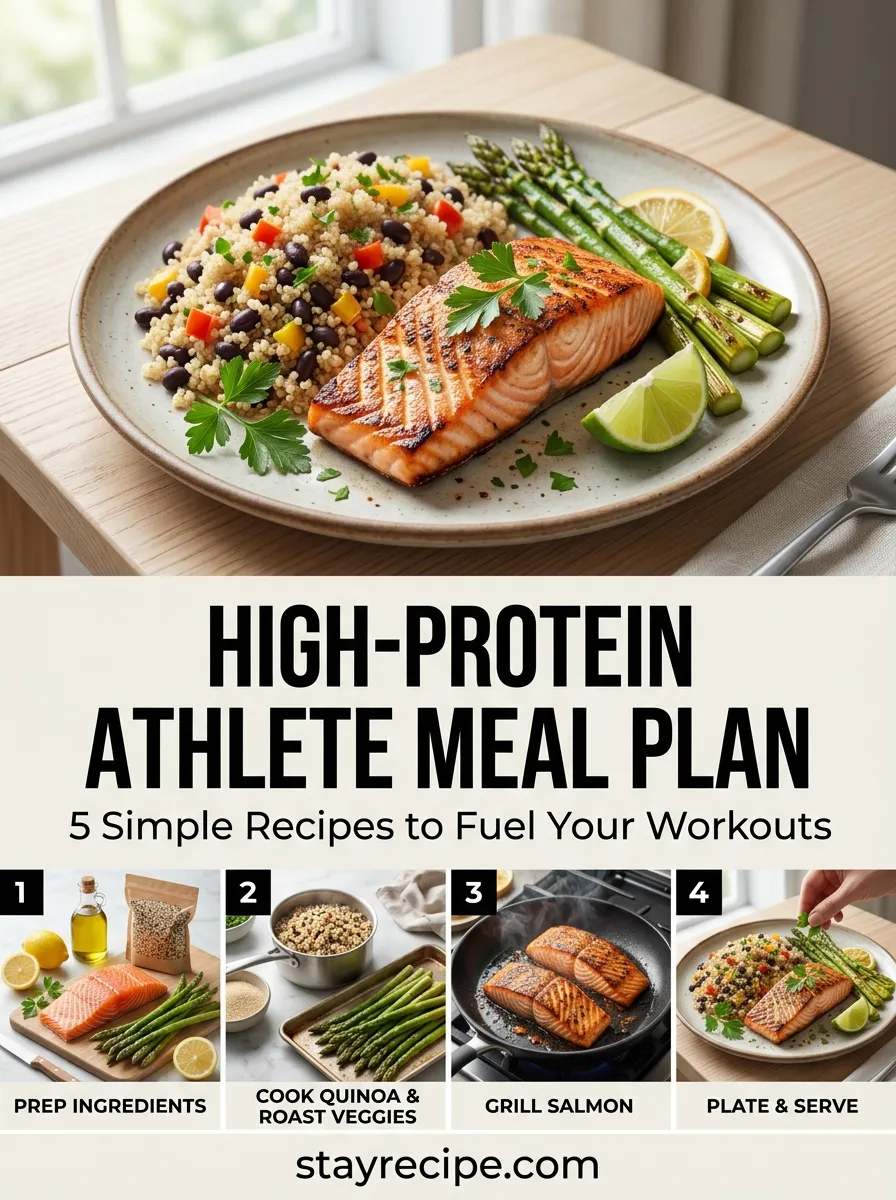
Ingredients
- Chicken breast
- Eggs
- Quinoa
- Vegetables
Step-by-Step Instructions
- Grill or cook protein sources
- Prepare quinoa as a base
- Add vegetables
- Combine into balanced meals
9. The Global Explorer with meal planning menus

Ingredients
- Mixed proteins
- Rice or noodles
- Global sauces (Mexican, Thai, Italian)
- Vegetables
Step-by-Step Instructions
- Choose a cuisine for the day
- Cook protein and base (rice/noodles)
- Add region-specific sauces
- Serve with vegetables
10. The Seasonal Harvest with meal planning menus
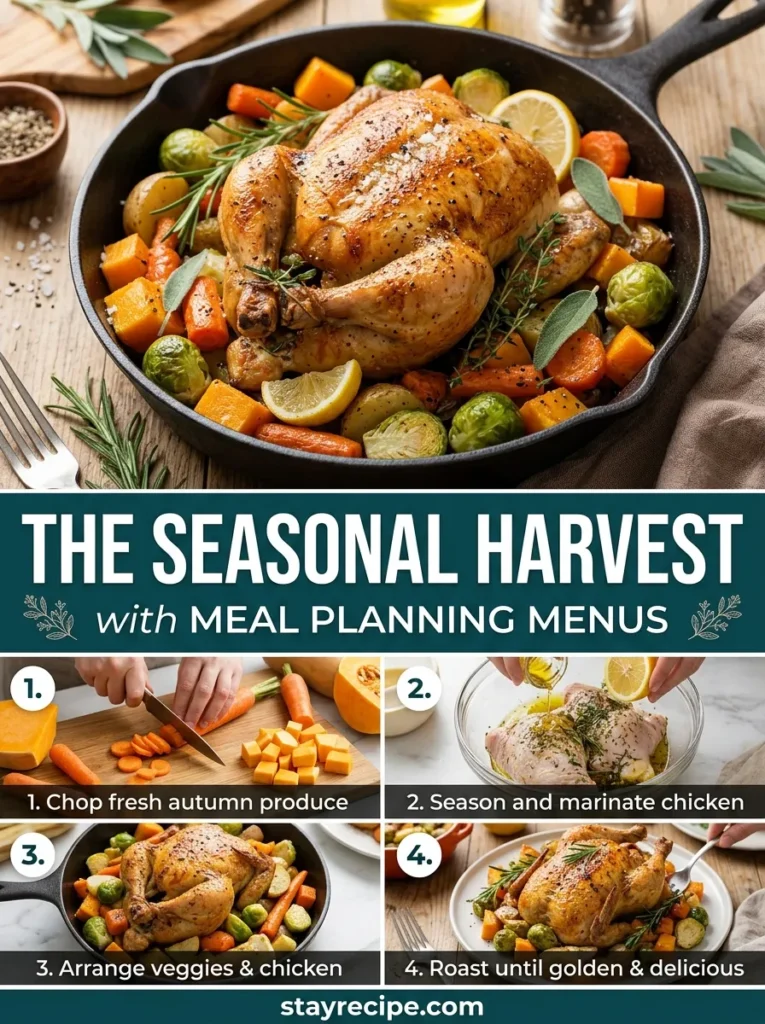
Ingredients
- Seasonal fruits and vegetables
- Whole grains
- Fresh herbs
Step-by-Step Instructions
- Select fresh seasonal produce
- Chop and prepare ingredients
- Cook lightly or serve raw depending on recipe
- Combine into fresh, seasonal meals
Nutritional Benefits
- Portion Control: Pre-planned menus prevent overeating and help maintain a healthy weight.
- Nutrient Density: You are more likely to include various colors and vitamins when you plan ahead.
- Reduced Stress: Lowering cortisol levels by removing the daily stress of meal decisions.
FAQs
1. How do I start meal planning as a beginner?
The most common advice is to begin small. Aim to plan only 2–3 dinners per week, not every meal You can establish a routine by selecting one day to plan, shop and prep each week.
2. What are the best types of meals to “batch cook”?
Foods that freeze or reheat nicely tend to work best:
Stews, chili, and curries (they’ll often taste better the next day)
Roast proteins such as chicken or tofu
Whole grains such as brown rice or quinoa
One-pan dinners that are easy to portion
3. How do I meal plan on a tight budget?
Begin by “shopping your pantry” to utilize what you already have. Select cheap protein sources such as beans, lentils and eggs; buy frozen or canned fish rather than fresh.
4. How can I make a menu my kids will actually eat?
Involve kids in choosing meals. Focus on:
Variety and color
Some texture (crunch + chew)
The “one meal” rule with a simple taste-test approach
5. What ingredients should I always have in my pantry?
A “capsule pantry” includes:
Grains: Pasta, rice, oats
Canned goods: Beans, tomatoes, sauces
Healthy fats Olive oil, nut butters
Frozen staples: Fruits and vegetables
6. How do I balance nutrition in a weekly menu?
Most meals should include all major food groups:
Protein: Meat, fish, eggs or legumes
Carbs: Whole grains or starchy veggies
Healthy fats: Avocado, nuts, seeds
Fiber: Leafy greens and vibrant vegetables
7. How often should I grocery shop?
The majority of people shop once a week for fresh products, with one-off visits each month to stock up on shelf-stable goods and one or two top-up shops a week for perishables.
8. What is the difference between meal planning and meal prepping?
Meal prep and planning: Making a plan of what you are going to eat, shopping list
Meal prepping: Washing, chopping or pre-cooking ingredients in advance
9. How do I handle “unused” meals or forgotten ingredients?
Build flexibility into your plan with a “buffer day” or leftover night. Substitute ingredients when needed (e.g., yogurt instead of sour cream).
10. Can I meal plan for specific health conditions (like diabetes)?
Yes, but it requires careful balance—especially managing carbohydrates and pairing them with protein and healthy fats. Consulting a dietitian is often recommended.
11. What tools or templates are best for menu planning?
Options include:
Physical tools: Whiteboards, planners, notebooks
Digital tools: Meal planning apps or templates
12. How do I keep the menu from becoming boring?
Opt for the “Known + One” approach: make sure all of your dinners are favorite meals that you know how to cook, adding just one new recipe a week.
Final Thought
Meal Planning Menus is part of the number one way to rebuild your time and health. You are leaving the Land of last minute cooking and entering a more structured Health lifestyle By following this Complete Guide. But no matter whether you’re in New York or London or Toronto, all the principles of organizing your kitchen are here: Simple + Quick dishes that don’t skimp on flavor.
The icing & cherry on top of this cake is that You can customize it to your Occasion & Vibe. You can be as minimalist or as gourmet as you wish. As you put these Step-by-Step techniques in place, the Why will become evident — you’ll have more energy, more money in your bank account and a quieter evenings. Keep in mind: The objective is not perfection. It’s consistency. And with a little planning, you’ll see how small changes change your Whole Weeknight life—and don’t forget to try our Must-Try variations. Happy planning!
Leave a Reply