Top 10 Best Healthy Spring Food Recipes: A Complete Guide to Fresh Flavors
Published:
Updated:
Author:
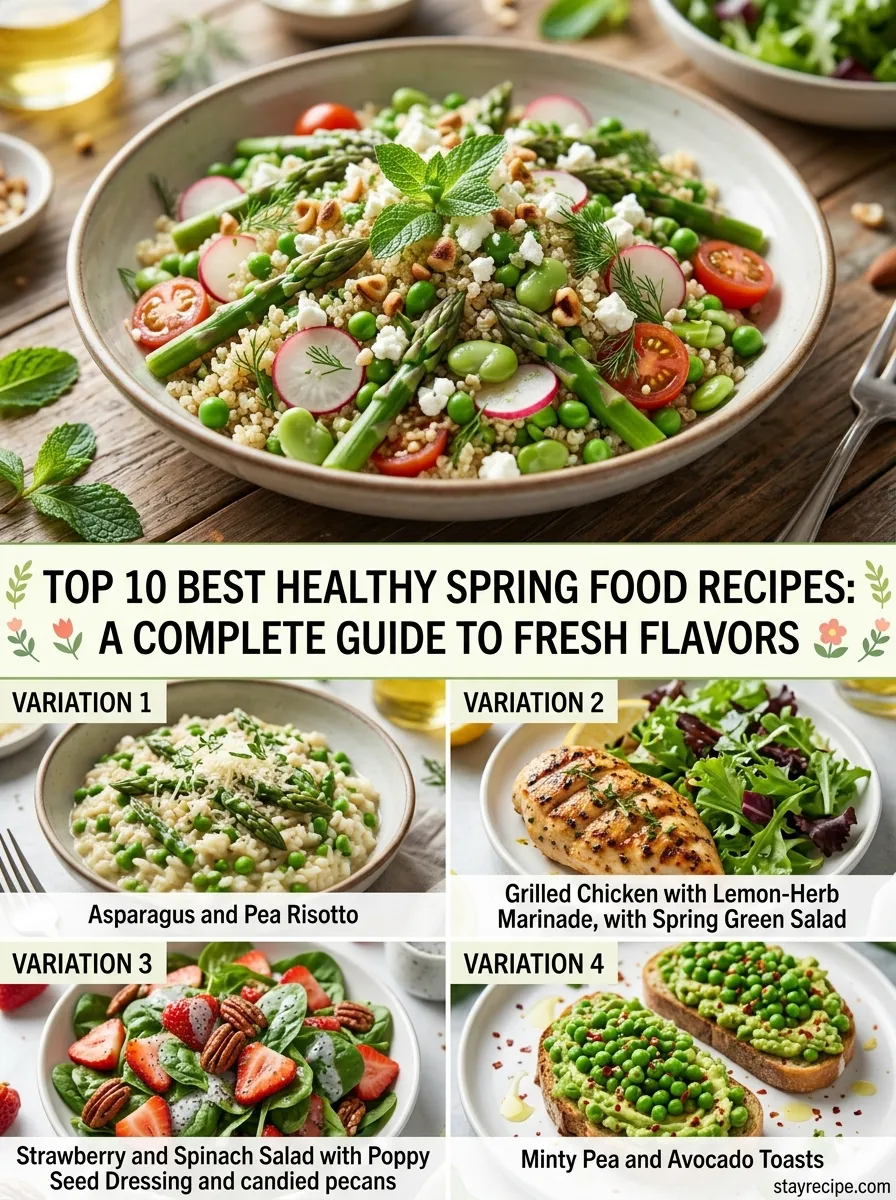
Spring is the time for renewal, and nothing says it better than bright healthy spring food. As the weather begins to warm, our cravings start to move away from heavy comfort foods and towards light, bright, nutrient-dense ingredients. Thus is your ultimate guide to making the best of tasty seasonal offerings, whether you’re after a quick weeknight dinner solution or something aesthetic and style-oriented for brunch.
Adding seasonal produce like asparagus, peas, radishes, and strawberries to your diet isn’t just about flavor — it’s also about maximizing nutrition. With so many options available, we walk you through it step by step so that even if you want a fast and easy solution, there is no compromise on quality. From selective diet (Keto or Vegan, perhaps?) to high-protein offerings, we report on just how and why certain foods of spring have become “the best.” This grow-your-own collection is a definite win for those in the US, UK or Canada looking to eat from the garden. Check out our picks, and discover how to make spring cooking a feast for the eyes as well as the palate.
Ingredients
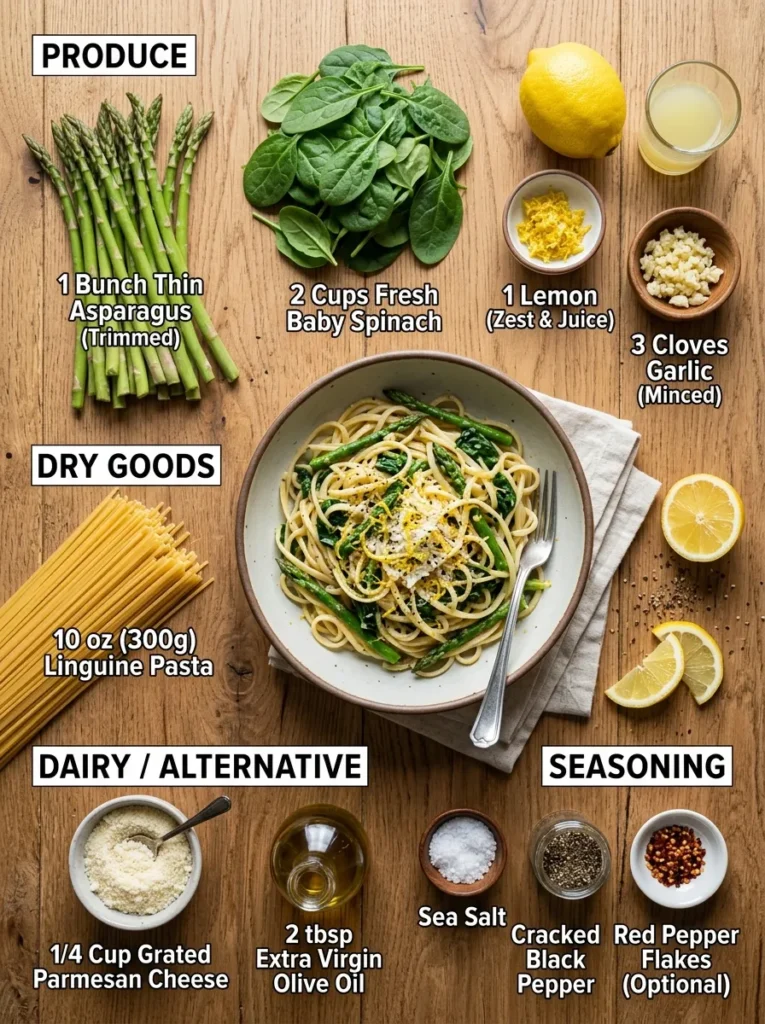
- Produce:
- Dry Goods:
- 10 oz (300g) Linguine or Gluten-free pasta.
- Dairy/Alternative:
- Seasoning:
Step-by-Step Instructions
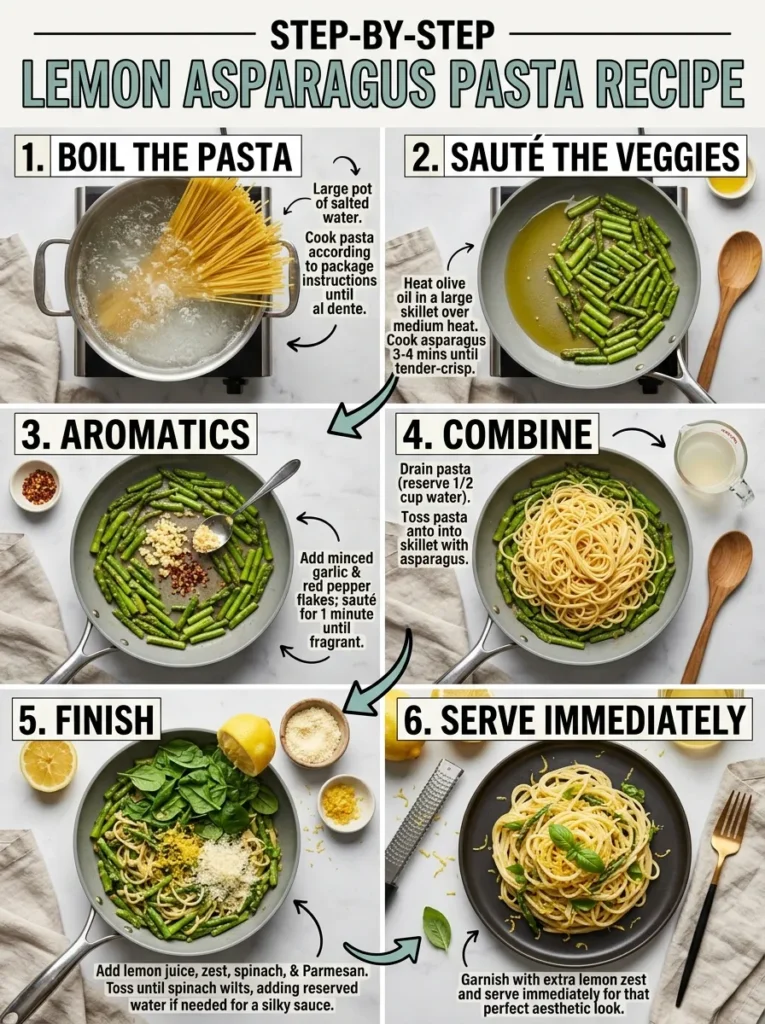
- Boil the Pasta: Bring a large pot of salted water to a boil. Cook pasta according to package instructions until al dente.
- Sauté the Veggies: While pasta cooks, heat olive oil in a large skillet over medium heat. Add asparagus and cook for 3-4 minutes until tender-crisp.
- Aromatics: Add minced garlic and red pepper flakes; sauté for 1 minute until fragrant.
- Combine: Drain pasta (reserve 1/2 cup pasta water). Toss pasta into the skillet with the asparagus.
- Finish: Add lemon juice, zest, spinach, and Parmesan. Toss until spinach wilts, adding reserved water if needed for a silky sauce.
- Serve: Garnish with extra lemon zest and serve immediately for that perfect aesthetic look.
Top 10 Variations
1. Spring Green Asparagus Salad
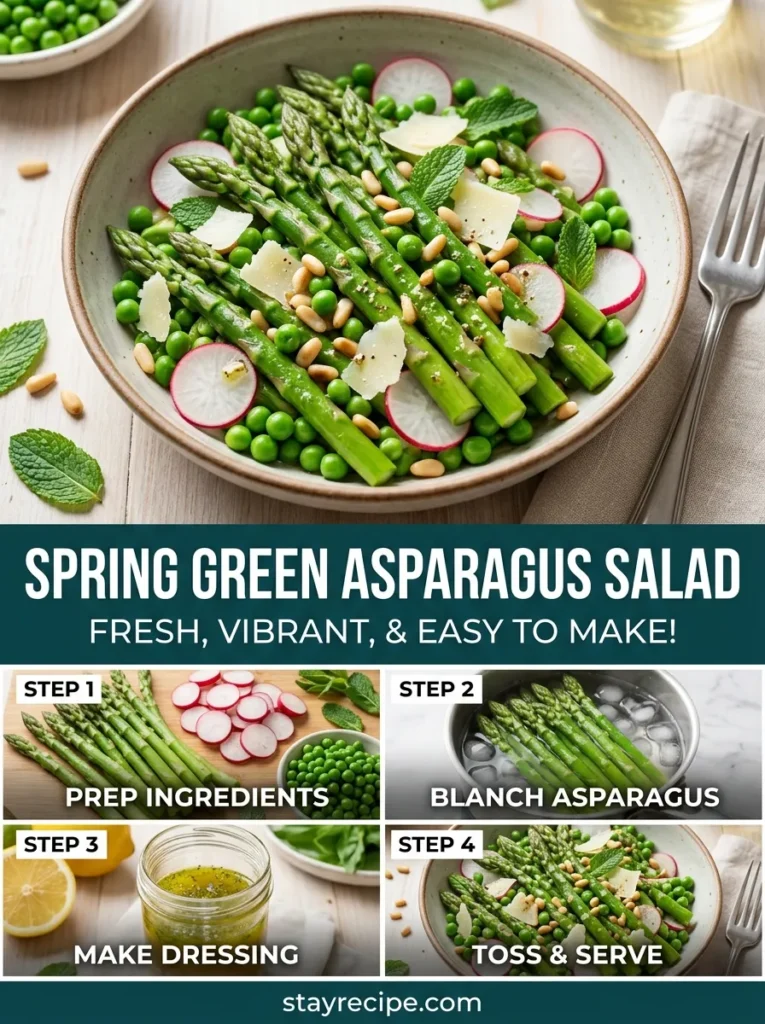
Ingredients
- Asparagus (trimmed)
- Mixed greens
- Cherry tomatoes
- Parmesan cheese
- Olive oil & lemon juice
- Salt & pepper
Steps
- Blanch asparagus in boiling water (2–3 min), then cool.
- Toss greens, tomatoes, and asparagus.
- Drizzle olive oil + lemon juice.
- Top with parmesan and serve.
2. Spinach & Strawberry Salad
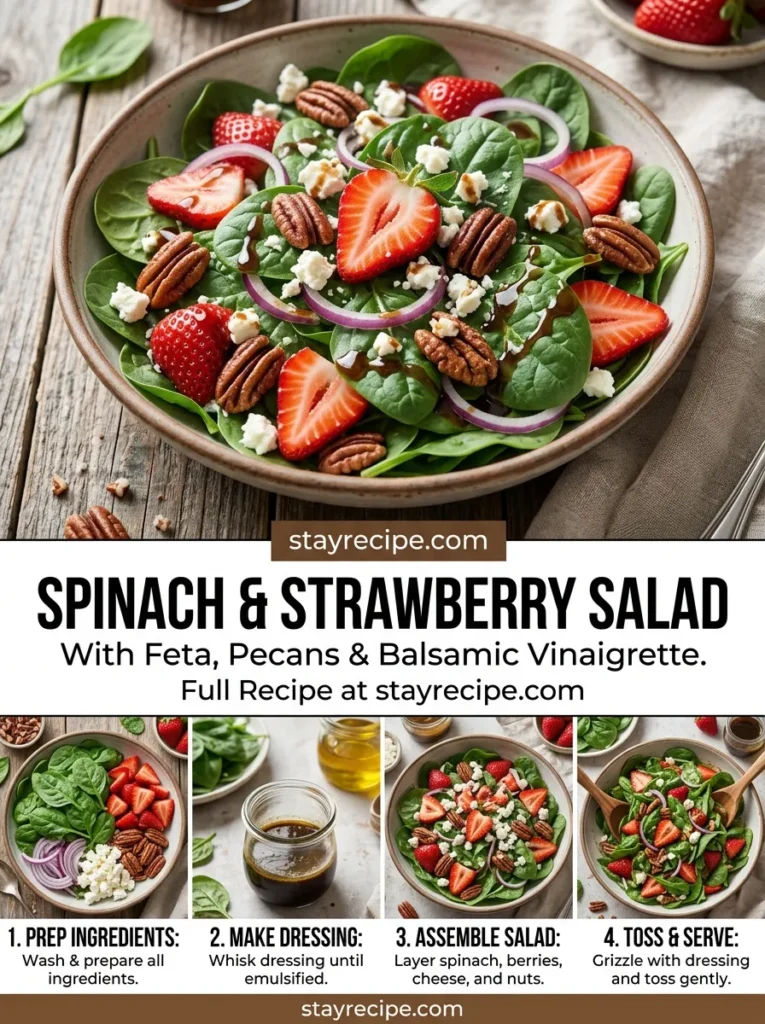
Ingredients
- Fresh spinach
- Strawberries (sliced)
- Red onion (thin slices)
- Feta cheese
- Balsamic vinaigrette
Steps
- Add spinach to a bowl.
- Top with strawberries and onion.
- Sprinkle feta cheese.
- Drizzle dressing and toss lightly.
3. Lemony Pea & Herb Salad
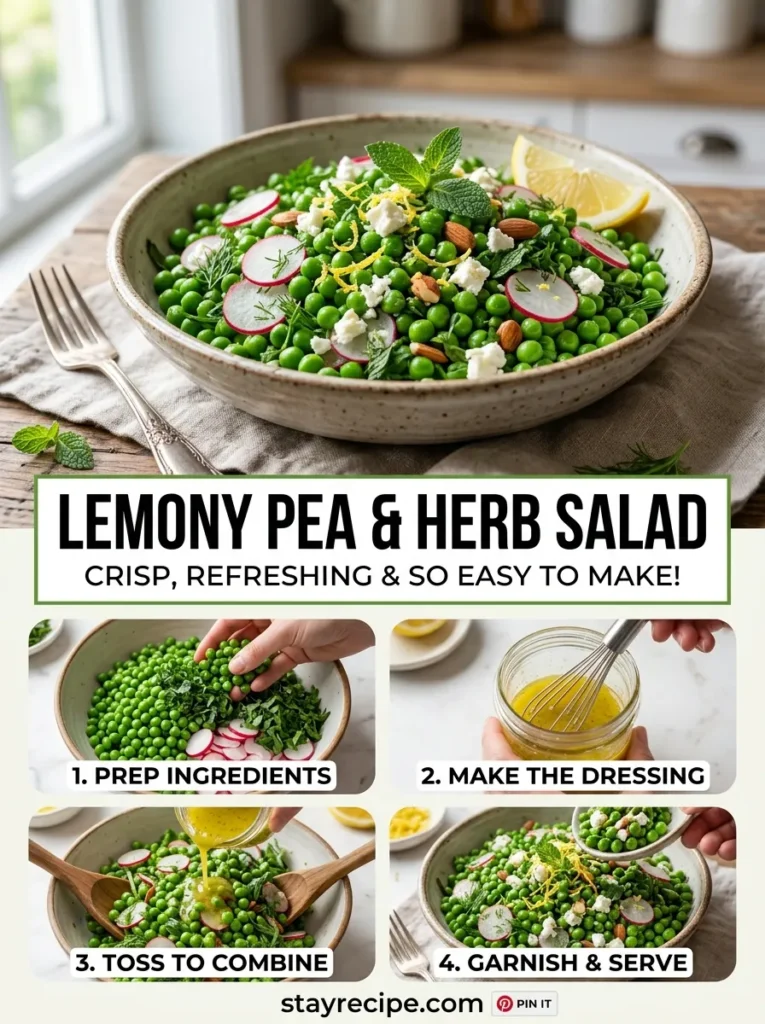
Ingredients
- Green peas (fresh or frozen)
- Fresh mint & parsley
- Lemon zest + juice
- Olive oil
- Salt & pepper
Steps
- Cook peas briefly and cool.
- Mix with chopped herbs.
- Add lemon zest, juice, and oil.
- Toss and chill before serving.
4. Avocado & Cucumber Salad
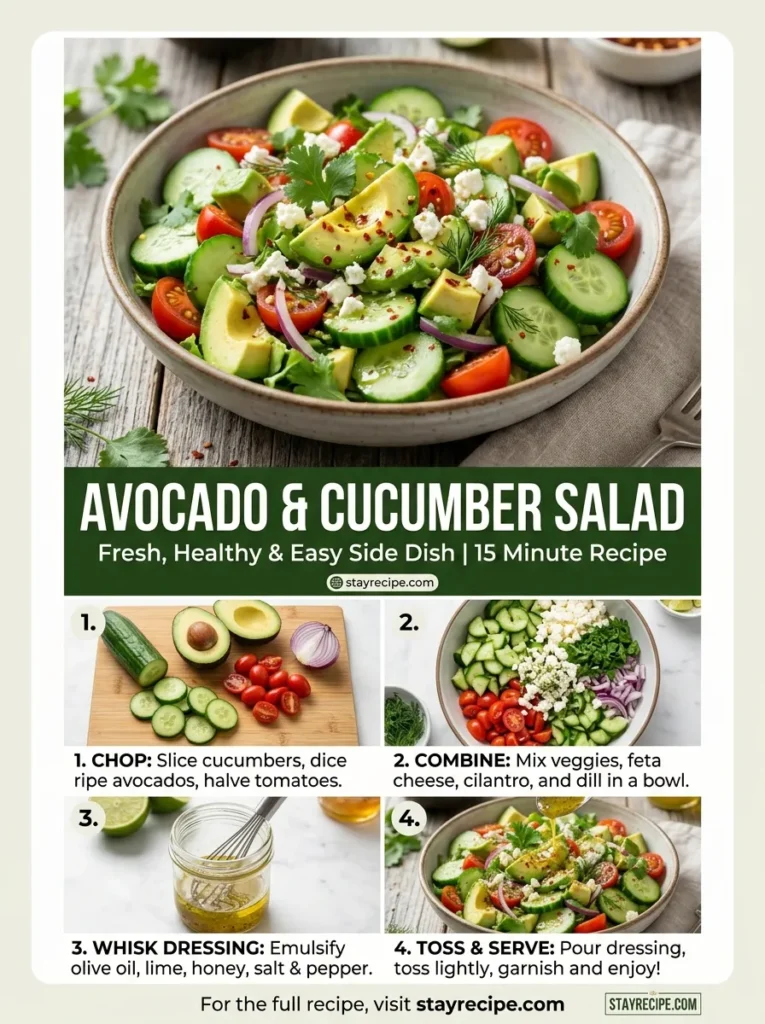
Ingredients
- Avocado (cubed)
- Cucumber (sliced)
- Lime juice
- Olive oil
- Fresh dill
- Salt
Steps
- Combine avocado and cucumber.
- Add lime juice and oil.
- Sprinkle dill and salt.
- Toss gently and serve fresh.
5. Spring Vegetable Quinoa Bowl
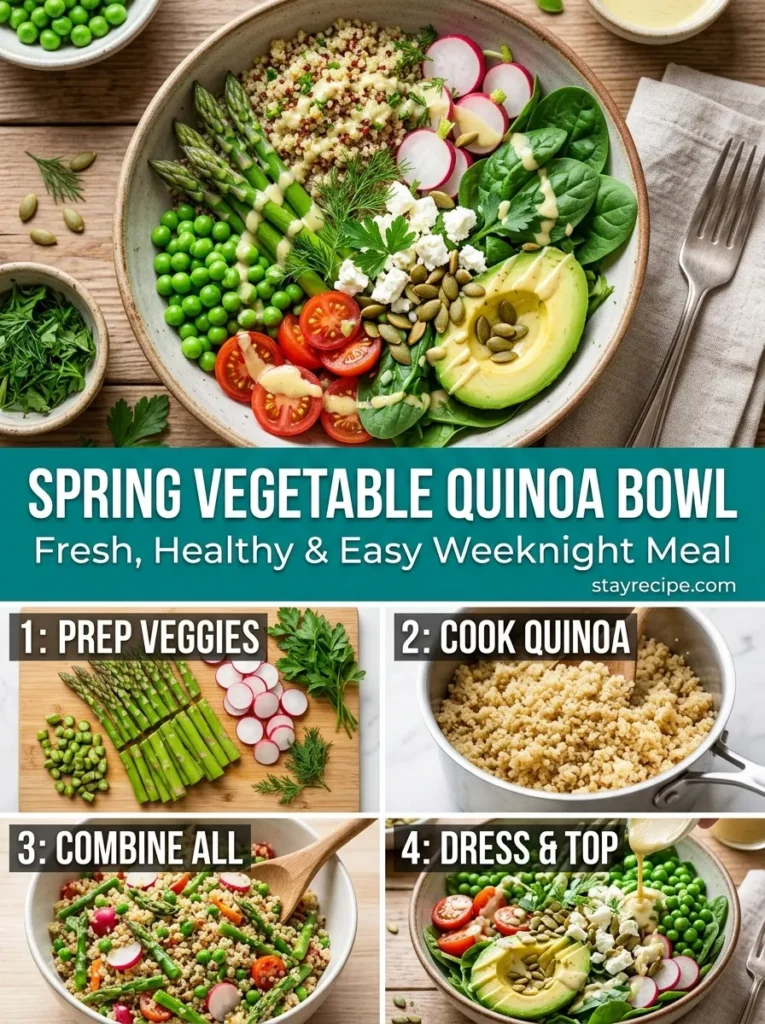
Ingredients
- Cooked quinoa
- Asparagus
- Carrots
- Peas
- Olive oil
- Lemon dressing
Steps
- Cook quinoa and let cool.
- Sauté vegetables lightly.
- Combine quinoa and veggies.
- Drizzle lemon dressing and mix.
6. Strawberry & Spinach Nut Salad
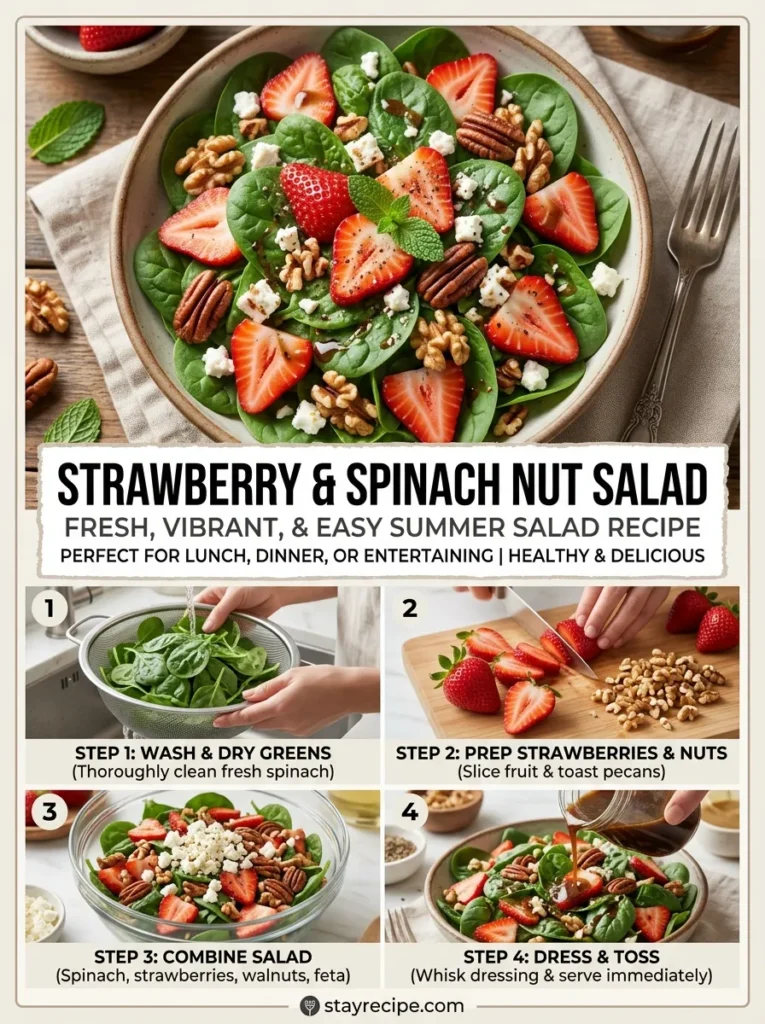
Ingredients
- Spinach
- Strawberries
- Almonds or pecans
- Goat cheese
- Honey vinaigrette
Steps
- Add spinach to bowl.
- Top with strawberries and nuts.
- Sprinkle goat cheese.
- Add vinaigrette and toss.
7. Buddha Bowl
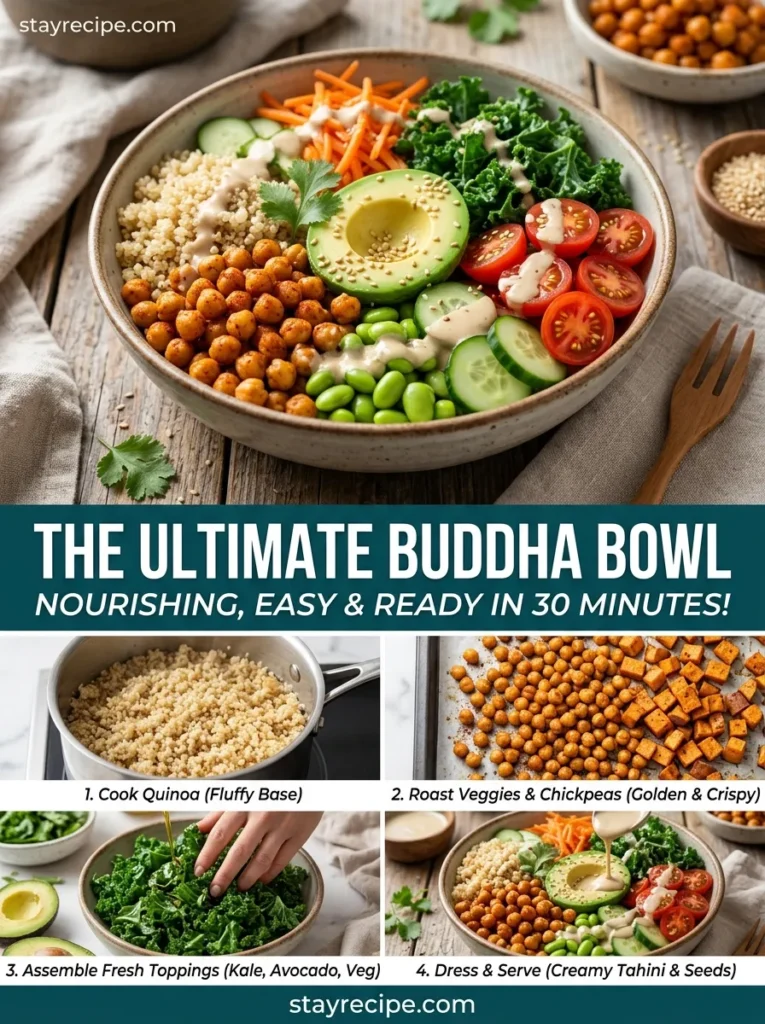
Ingredients
- Brown rice or quinoa
- Roasted sweet potatoes
- Chickpeas
- Avocado
- Tahini sauce
Steps
- Cook grains and roast sweet potatoes.
- Arrange grains in bowl.
- Add chickpeas and avocado.
- Drizzle tahini sauce on top.
8. Spring Grain Bowl
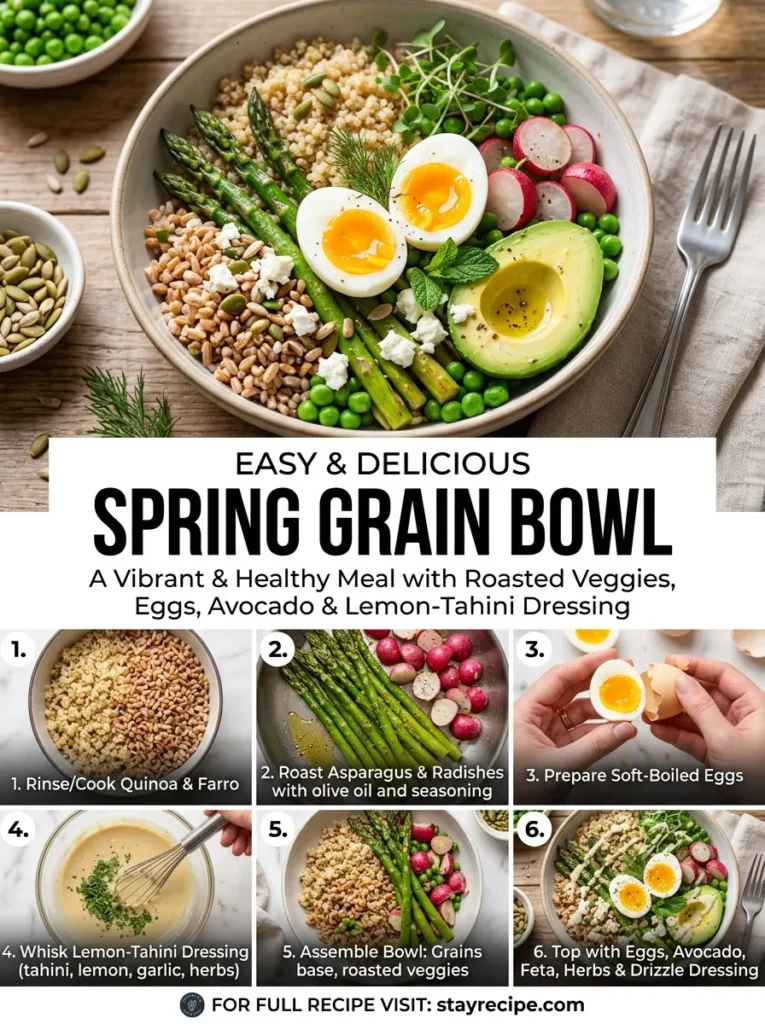
Ingredients
- Farro or barley
- Roasted vegetables
- Arugula
- Feta cheese
- Lemon dressing
Steps
- Cook grains and cool.
- Add roasted vegetables and greens.
- Sprinkle feta.
- Toss with dressing.
9. Grilled Chicken Spring Salad
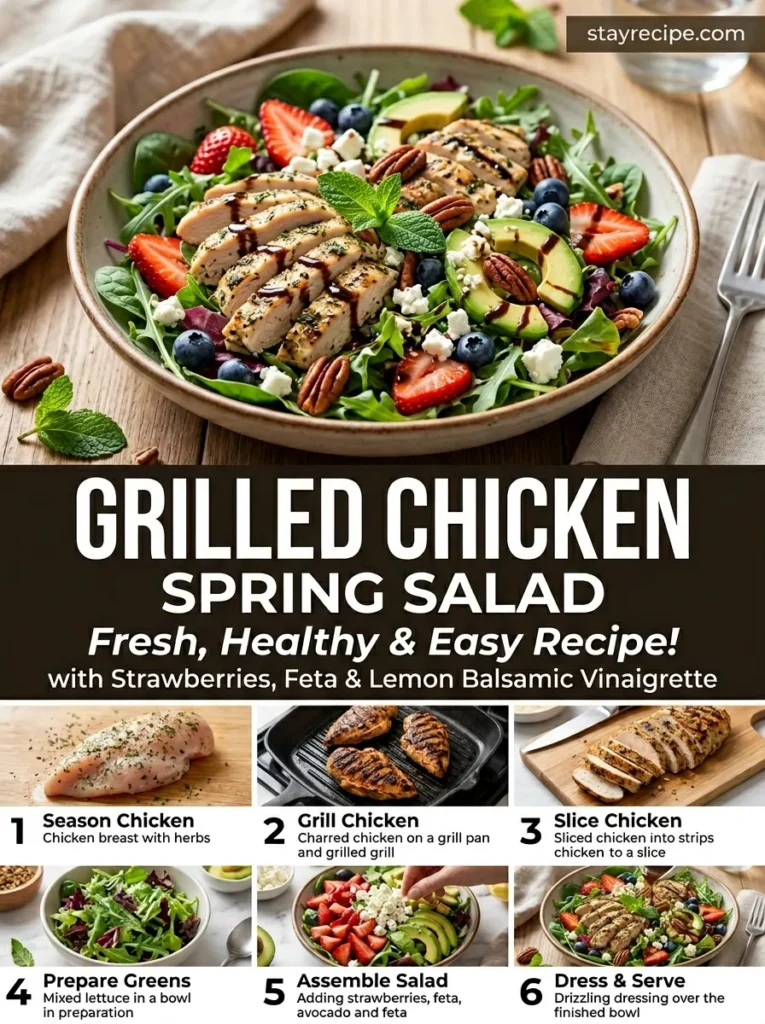
Ingredients
- Grilled chicken breast
- Mixed greens
- Strawberries or blueberries
- Walnuts
- Balsamic dressing
Steps
- Grill chicken and slice.
- Toss greens with fruits and nuts.
- Add chicken on top.
- Drizzle dressing and serve.
10. Strawberry & Avocado Salad
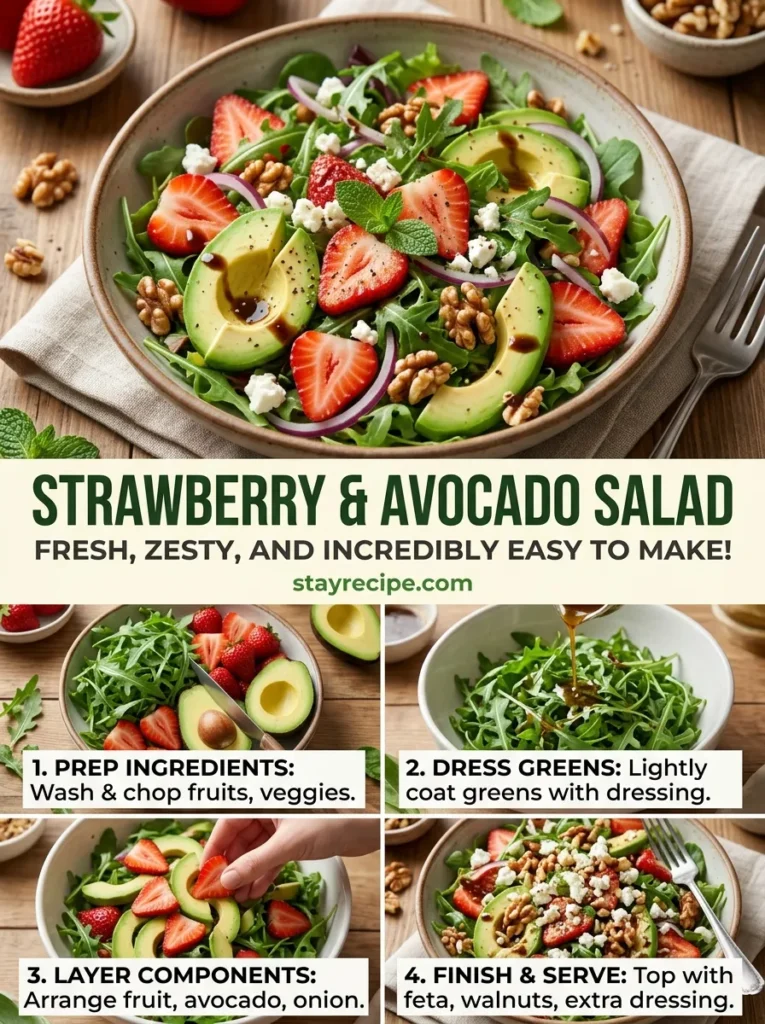
Ingredients
- Strawberries
- Avocado
- Mixed greens
- Feta or mozzarella
- Balsamic glaze
Steps
- Combine greens, strawberries, avocado.
- Add cheese.
- Drizzle balsamic glaze.
- Toss gently and serve.
Nutritional Benefits
But spring foods are health powerhouses. Asparagus is a good source of Vitamin K and folate, important for heart health. Leafy greens are a good source of iron and fiber, and the Vitamin C in citrus fruits is a boost to your immune system; seasonal produce also ensures that you’re getting the highest concentration of antioxidants and minerals available compared with imports out of season.
FAQs
1. What vegetables are in season during spring?
Classic spring vegetables include asparagus, peas (sugar snap and snow), artichokes, radishes, spinach, leeks, arugula, and carrots.
2. Which fruits are at their peak in spring?
Early spring fruits often include citrus like lemons, oranges, and grapefruit, while later spring brings strawberries, cherries, apricots, rhubarb, kiwi, and pineapple.
3. What are the health benefits of eating spring produce?
Spring foods are typically light and high in fiber, antioxidants, and vitamins (like Vitamin C and K). They are often sought after for gently “cleansing” or resetting the digestive system after heavier winter diets.
4. How do I choose the freshest spring produce?
- Sight: Look for vibrant colors; avoid wilted leaves or bruised skin.
- Touch: Produce should be firm but have a slight “give.” Avoid anything mushy or slimy.
- Smell: Fresh fruit should have a pleasant, recognizable scent.
5. Why is it better to eat seasonally in the spring?
Seasonal food is often tastier and more nutrient-dense because it is harvested at peak ripeness rather than being picked early for long-distance shipping. It is also usually more affordable due to local abundance.
6. What exactly are “spring greens”?
The term typically refers to young, tender cabbage plants harvested between February and early summer. They are sweeter and more delicate than mature winter cabbages.
7. How should I cook asparagus so it isn’t soggy?
To keep it crisp-tender, steam or lightly sauté asparagus for only 3 to 5 minutes. Roasting with olive oil and lemon is another popular method to maintain its texture.
8. Is rhubarb a fruit or a vegetable?
Rhubarb is botanically a vegetable, though it is legally classified as a fruit in the U.S. for trade purposes and is almost always treated as a fruit in cooking (jams, pies, and crumbles).
9. What are “ramps” and why are they popular?
Ramps are wild leeks (or wild garlic) with a short growing season in the spring. They have a pungent, onion-garlic flavor and are a favorite among chefs for seasonal specials.
10. Can I grow my own spring food?
Yes, many spring crops are cold-hardy, meaning they can be planted while there is still a light frost. Common “early” garden picks include lettuce, kale, spinach, radishes, and peas.
11. What are some easy spring meal ideas?
Focus on minimal cooking to preserve freshness. Popular options include:
- Arugula salads with strawberries and goat cheese.
- Spring vegetable soups or pastas with peas and leeks.
- Smoothie bowls using fresh spinach and citrus.
12. Which herbs start to flourish in spring?
Fresh herbs like parsley, cilantro, chives, mint, and basil begin to peak, providing an easy way to add flavor without heavy sauces.
Final Thought
A love of spring food is a love for more than simply changing your menu; it’s falling in line with the rhythm of nature and how I see myself living on this earth. Spring is the perfect time to detox and energize our bodies as we transition away from heavy, calorie-laden winter foods. This guide has explored the how and the why of seasonal cooking, arming you with step-by-step instructions to help usher you into the new season seamlessly.
Whether you’re throwing an aesthetic garden party or just want a quick and easy meal after a long workday, these recipes show that eating healthy doesn’t have to be hard. Focusing on nutritious, whole foods means that you are consuming nutrient-dense meals for abundant nutrition in your life. Keep in mind that the “best,” food is the one that makes you feel great from the inside out. We hope this in-depth guide encourage you to play with new flavors and textures. Your creations, don’t forget to share with and Tag us! May this spring be your tastiest and healthiest yet. Happy cooking!
Leave a Reply